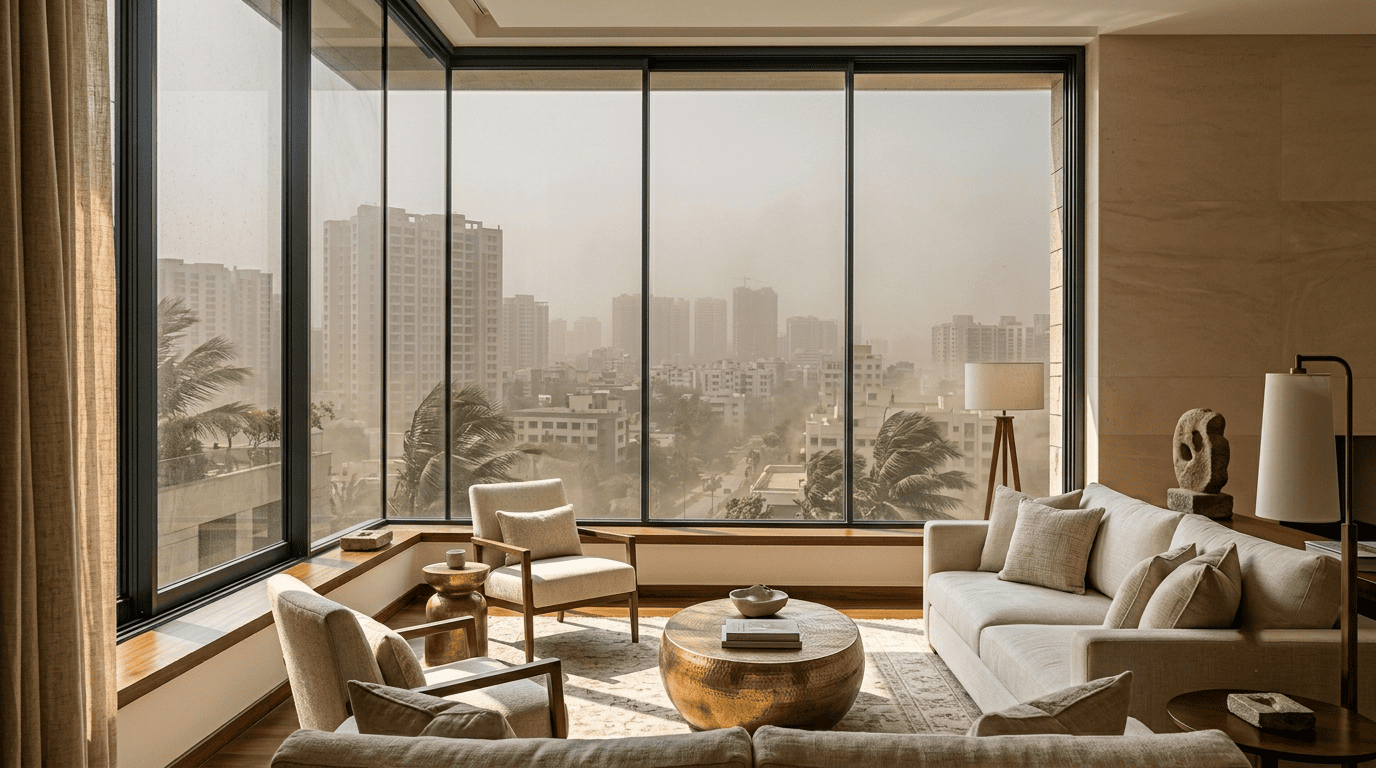
Your windows do much more than bring natural light and fresh air into your home. They also help protect your interiors from rain, harsh sunlight, dust, wind, outside noise, and changing temperatures. Choosing the right window system can make a noticeable difference in your home’s comfort, energy performance, and long-term maintenance needs.
In India, homes face a wide range of weather conditions, from intense summer heat and heavy monsoon rainfall to winter chills and dusty winds. Ordinary or poorly fitted windows may allow water seepage, unwanted air movement, and dust to enter, potentially damaging interior finishes and reducing indoor comfort.
This is where Weather-Resistant Windows become an important consideration for homeowners, architects, and builders. With suitable materials, effective sealing, quality hardware, and professional installation, modern window systems can help create a more comfortable and protected living environment.
At Alcove Infra, homeowners can explore made-to-order uPVC and aluminium windows designed for residential and commercial spaces. The right choice depends on the building’s location, exposure to weather, design requirements, and ventilation needs.
1. Protection Against Heavy Rain and Water Leakage
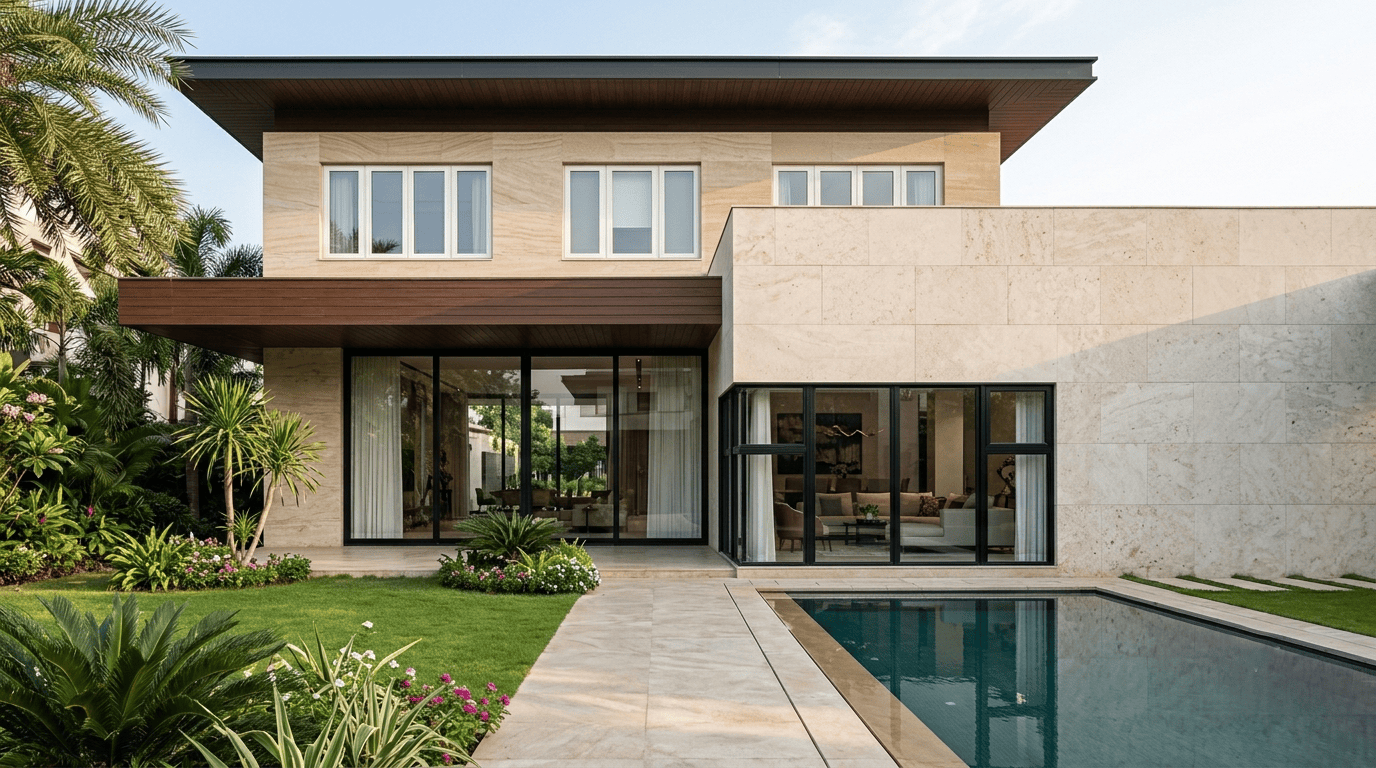
A properly designed window system can help reduce these risks through:
-
Effective sealing: Suitable gaskets and weather seals help minimise water penetration around the sash and frame.
-
Secure closing mechanisms: Well-adjusted locks and hardware help the window close firmly against its seals.
-
Drainage design: Appropriate drainage channels and weep holes help direct collected water towards the exterior.
-
Professional installation: Correct alignment and perimeter sealing help reduce leakage around the window opening.
Selecting a window based on the building’s exposure and local rainfall conditions is essential. No window is automatically waterproof under every condition, so product specifications and installation quality matter.
For homeowners planning a renovation or new construction, Weather-Resistant Windows can help improve protection against rain when the entire system is correctly designed and installed.
2. Better Comfort During Extreme Summer Heat
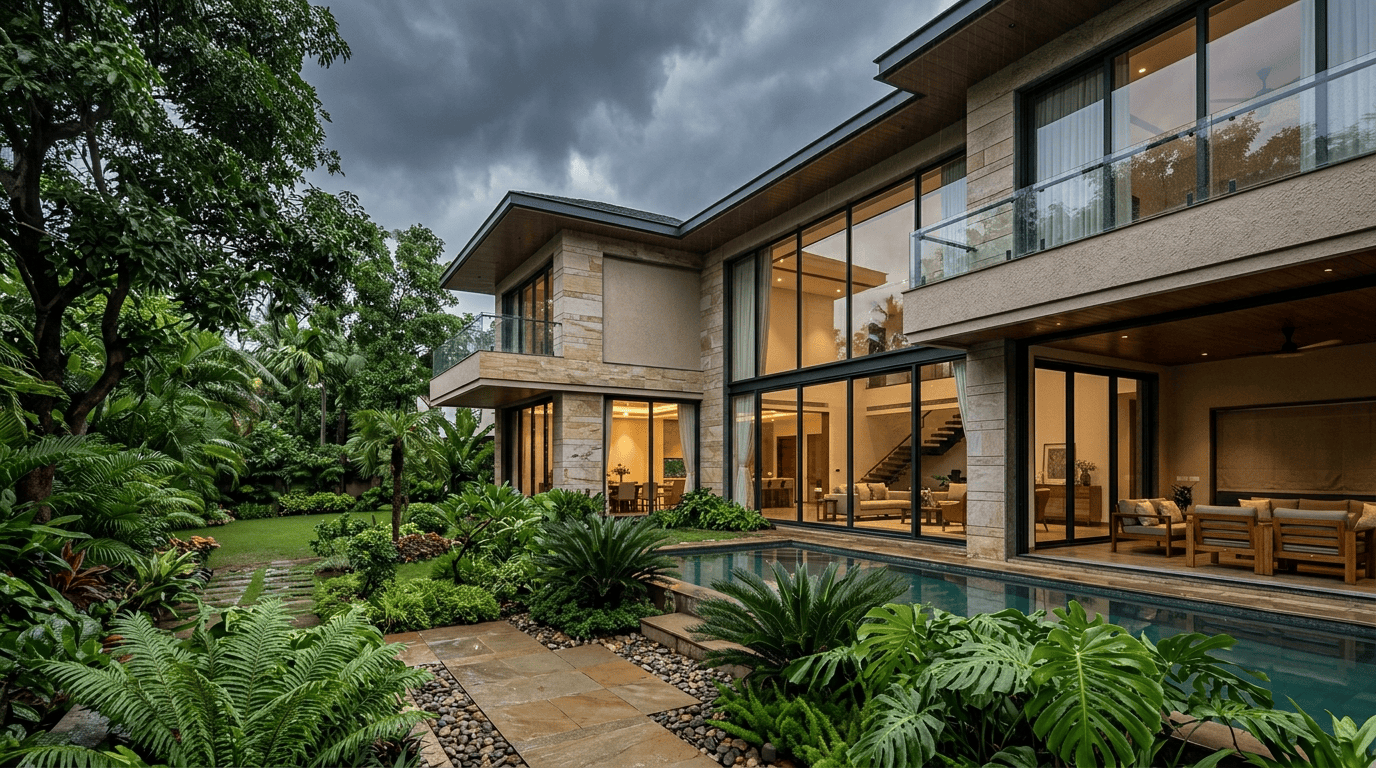
Indian summers can bring intense sunlight and high outdoor temperatures. Windows influence how much solar heat enters a room and how easily indoor cooling escapes to the outside.
The right combination of frame material, glazing, and sealing can help regulate indoor temperatures.
How modern window systems help:
-
Thermal insulation: Suitable uPVC profiles and thermally broken aluminium systems can reduce heat transfer through the frame.
-
Appropriate glazing: Double glazing or other specified glass options may improve thermal performance, depending on their construction.
-
Reduced air leakage: Properly sealed windows help limit unwanted hot air entering the home.
-
Solar control: Low-emissivity glass, solar-control glazing, external shading, and suitable window orientation can reduce excessive solar heat gain.
These features may help reduce the workload on air conditioners and support more consistent indoor comfort. Actual energy savings depend on climate, glass specifications, window size, building insulation, and how the home is used.
3. Defence Against Dust and Strong Winds
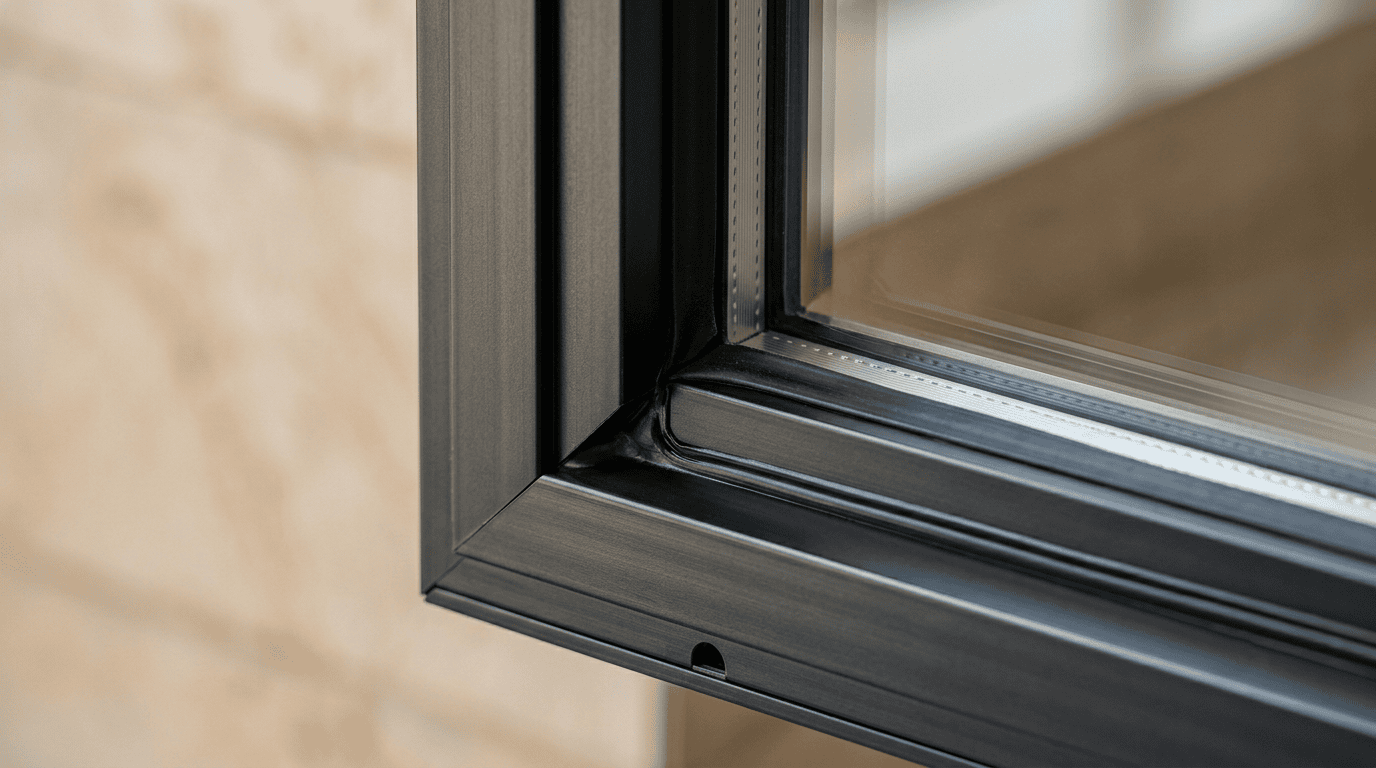
Dusty winds can carry fine particles into rooms through gaps around poorly fitted windows. Over time, dust accumulation may increase cleaning requirements and affect indoor comfort.
A well-fitted window system helps minimise these entry points when its frame, seals, and closing hardware are appropriate for the conditions.
Key features to consider include:
-
Continuous, properly fitted weather seals.
-
Frames manufactured to suitable tolerances.
-
Secure locking systems that pull the sash into the correct closed position.
-
Window configurations selected for the building’s wind exposure.
-
Correct anchoring and installation into the surrounding structure.
For apartments on upper floors, wind pressure deserves particular attention. Large windows and glass panels should be selected according to the relevant structural requirements, including the expected wind loads and glass safety specifications.
Weather-Resistant Windows can help limit unwanted air and dust infiltration, but their performance depends on the complete installed assembly rather than the frame material alone.
4. Improved Indoor Comfort During Winter
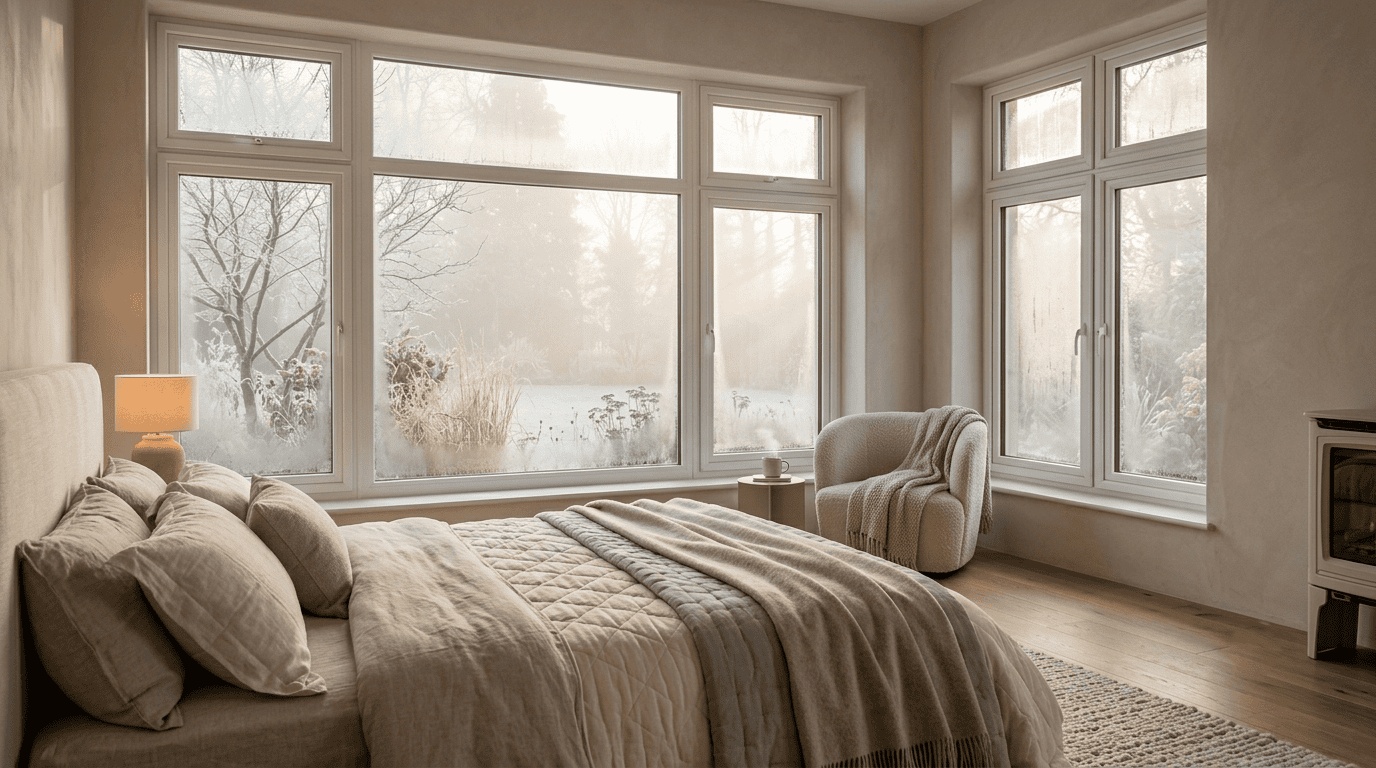
During winter, heat can escape through glazing, frames, and gaps around windows. This may make rooms feel colder and increase heating requirements where heating systems are used.
Windows with appropriate thermal performance can help slow heat transfer and reduce drafts.
For better winter comfort, consider:
-
Multi-chamber uPVC frames or thermally broken aluminium profiles.
-
Double glazing where appropriate for the climate and building.
-
High-quality gaskets and properly adjusted hardware.
-
Correct installation with suitable insulation around the frame perimeter.
-
Curtains, blinds, or other measures that suit the room’s requirements.
The objective is not simply to select a particular frame material. The glazing, frame design, airtightness, and installation must work together to deliver the required performance.
5. Protection Against Moisture and Interior Damage
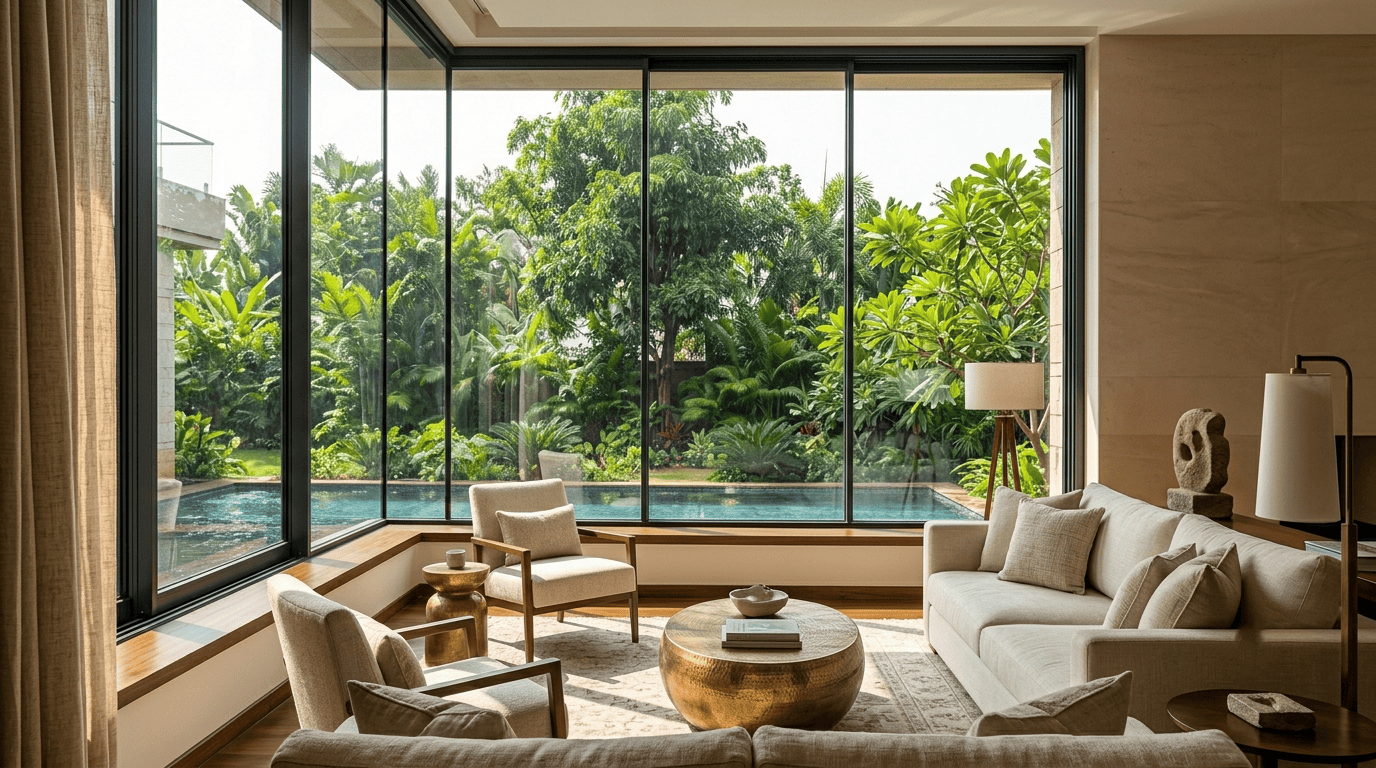
Water entering through window openings can damage paint, plaster, wooden flooring, curtains, and nearby furniture. Persistent moisture can also contribute to mould growth where conditions allow it.
Effective weather protection starts with the window system and continues into the surrounding building envelope.
To reduce moisture-related problems:
-
Choose frames and glazing suited to the property’s exposure.
-
Ensure the opening has suitable sill detailing and water drainage.
-
Use compatible sealants and installation materials.
-
Inspect exterior joints periodically for cracking or separation.
-
Investigate recurring damp patches instead of covering them with fresh paint.
It is also important to distinguish rainwater leakage from condensation. Condensation can occur when warm, moist indoor air contacts a cold surface, even if the window does not leak. Adequate ventilation and suitable glazing can help manage this separate issue.
6. Greater Durability and Reduced Maintenance
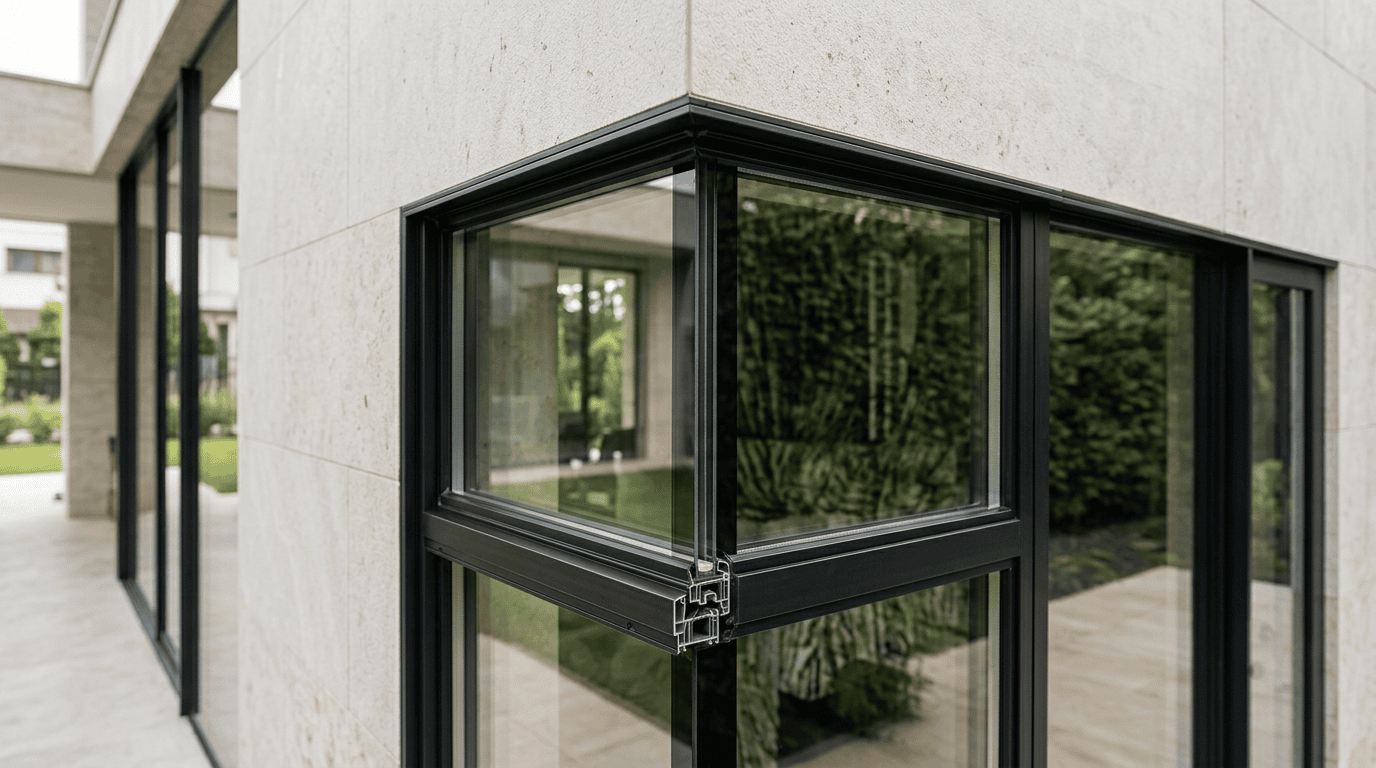
Windows are exposed to sunlight, rain, airborne pollution, temperature changes, and everyday use. Their ability to withstand these conditions affects their service life and maintenance requirements.
Both uPVC and aluminium can be suitable options, provided the system is manufactured, specified, and installed correctly.
|
Feature |
uPVC Windows |
Aluminium Windows |
|---|---|---|
|
Frame maintenance |
Generally low maintenance |
Generally low maintenance |
|
Corrosion resistance |
Does not rust like conventional steel |
Aluminium resists corrosion, with finish and environment affecting performance |
|
Thermal performance |
Often offers good insulation through the frame |
Thermally broken systems can improve insulation |
|
Design flexibility |
Available in different profiles and configurations |
Suitable for slim profiles and larger openings when properly engineered |
|
Main consideration |
Profile quality, reinforcement, hardware, and exposure |
Profile design, thermal break, finish, hardware, and structural requirements |
Neither material is universally superior. The best option depends on the project, budget, dimensions, exposure, glazing, and performance expectations. Routine cleaning and hardware inspections are still necessary for both.
7. Better Noise Control for a Peaceful Home
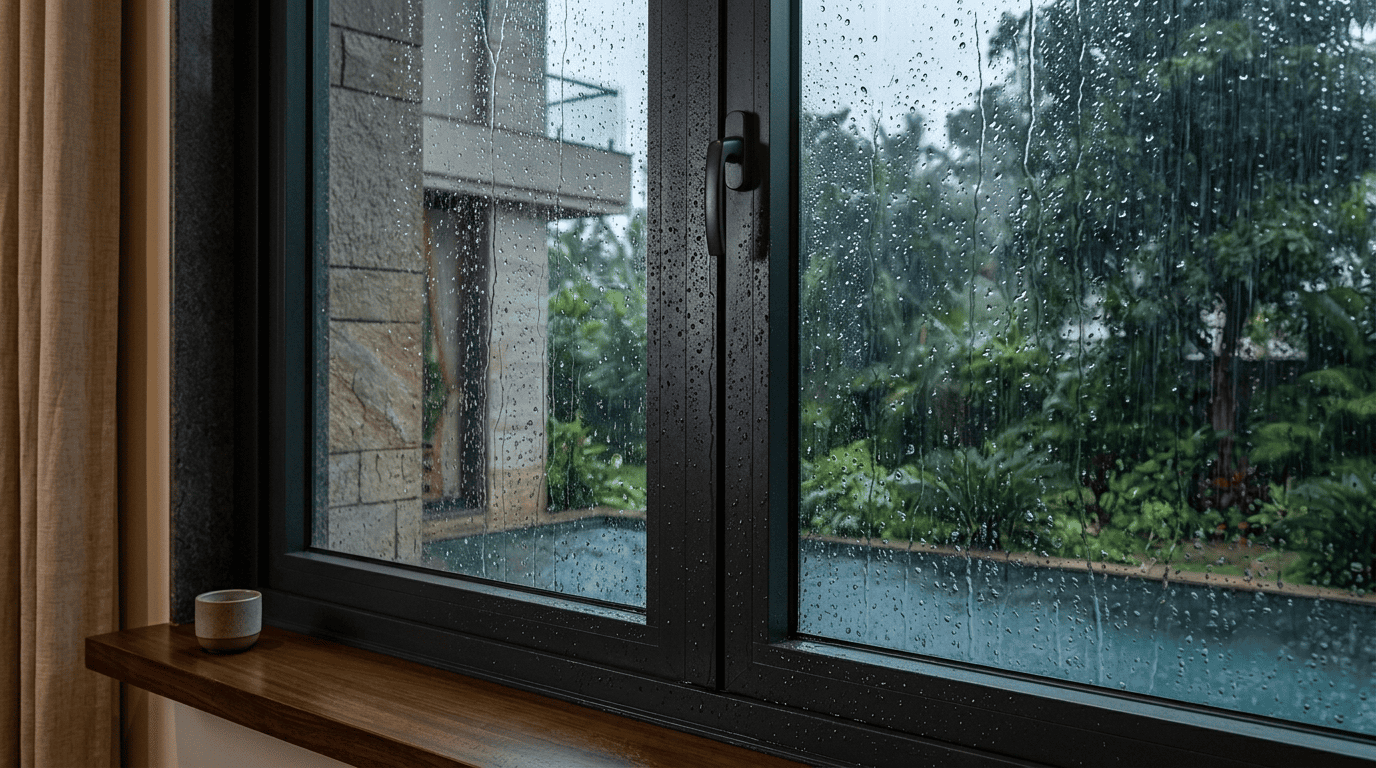
Weather protection is only one part of a well-designed window. In busy neighbourhoods, traffic, construction, and other outdoor sounds can also affect everyday comfort.
Window systems can help reduce unwanted noise when their frames, seals, glass, and installation are selected for the acoustic requirements of the property.
Important factors include:
-
Double glazing with a suitable pane arrangement.
-
Laminated acoustic glass where appropriate.
-
Well-sealed window joints and perimeter gaps.
-
Correctly installed frames with minimal air leakage.
-
Window designs suited to the noise level and frequency of the surrounding environment.
Simply choosing thicker glass does not guarantee better sound insulation. Glass thickness, differences between pane thicknesses, cavity width, frame construction, and installation all influence acoustic performance.
For homes beside busy roads or in dense urban areas, discuss the expected noise conditions with your window supplier before finalising the specification.
8. Choosing the Right Weather-Resistant Window System

uPVC Windows
uPVC windows are worth considering for homeowners who prioritise low maintenance and good thermal insulation. Their performance depends on profile construction, reinforcement where required, glazing, seals, and hardware.
Aluminium Windows
Aluminium windows offer strength and design flexibility, making them suitable for contemporary homes and larger glazed openings when appropriately engineered. For improved insulation, consider thermally broken profiles where suitable.
Casement Windows
Casement windows open on hinges and can provide effective ventilation and compression sealing when correctly designed, installed, and adjusted.
Tilt and Turn Windows
These systems offer different opening positions for ventilation and access, with performance depending on the specific design and hardware.
Sliding Windows and Doors
Sliding systems can work well where space-saving operation and wide views are important. Pay particular attention to track drainage, interlocking details, weather seals, and the system’s tested performance.
Alcove Infra offers uPVC and aluminium solutions, including casement, sliding, tilt and turn, lift-and-slide, and other window and door systems. Homeowners can discuss their requirements and choose an appropriate configuration for their project.
9. Why Professional Installation Matters
Even a well-designed window may underperform if it is installed incorrectly. Gaps around the frame, poor alignment, inadequate fixing, or incompatible sealants can compromise the finished installation.
A professional installation process should address:
-
Accurate site measurements.
-
Suitable fixing methods for the wall and opening.
-
Correct frame alignment and sash adjustment.
-
Compatible perimeter sealing and insulation.
-
Proper drainage and sill detailing.
-
Checks for smooth operation and effective closure.
Homeowners should also ask about product specifications, applicable performance test results, maintenance requirements, and warranty coverage before confirming an order.
10. Why Consider Alcove Infra for Your Window Requirements?
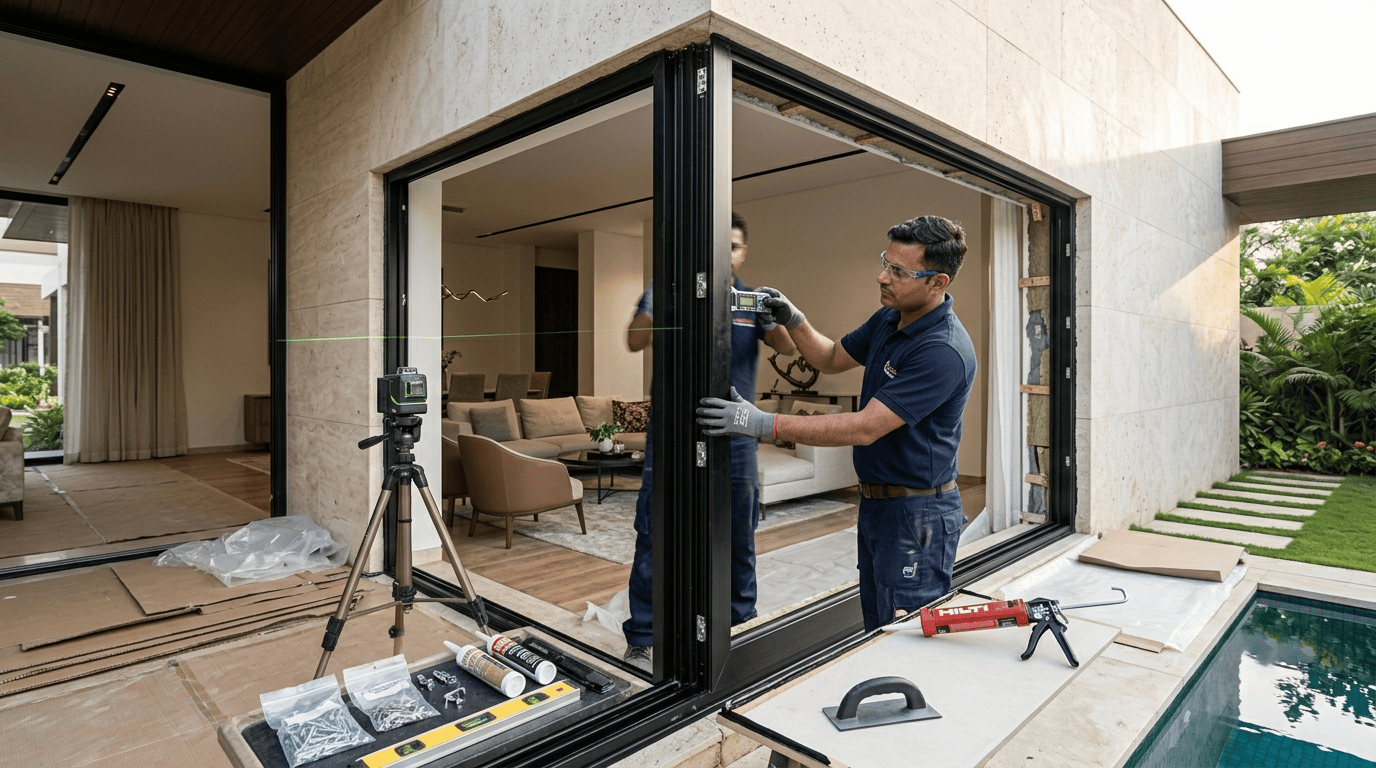
Alcove Infra provides made-to-order uPVC and aluminium fenestration solutions for residential and commercial projects. Its offering includes several window and door configurations, supported by design, manufacturing, installation, and service capabilities.
When planning a new home or upgrading existing windows, consider a supplier that can help you assess:
-
The property’s local climate and wind exposure.
-
Suitable frame and glazing combinations.
-
Weather-sealing and drainage requirements.
-
Thermal and acoustic performance goals.
-
Opening sizes, operation, and architectural style.
-
Installation details and after-sales support.
The right window specification can help protect your home while supporting a comfortable, functional, and attractive living space.
Frequently Asked Questions
1. What are weather-resistant windows?
They are window systems designed to help resist rain penetration, air leakage, wind pressure, and other environmental conditions. Their performance depends on design, materials, glazing, seals, installation, and maintenance.
2. Are uPVC windows suitable for Indian weather?
Yes, suitable-quality uPVC systems can work well in many Indian climates. Select a product with appropriate profile construction, hardware, glazing, and installation for the local conditions.
3. Are aluminium windows good during heavy rain?
They can perform well when the complete system has suitable weather seals, drainage, hardware, and installation. The material alone does not determine resistance to water penetration.
4. Do weather-resistant windows help reduce electricity bills?
They may reduce unwanted heat transfer and air leakage, which can help lower heating or cooling demand. Actual savings vary with the glazing, frame design, climate, building envelope, and household usage.
5. How can I maintain my windows during monsoon season?
Clean the frames and tracks, keep drainage openings clear, inspect seals and perimeter joints, check that locks operate correctly, and arrange repairs if you notice leakage or difficulty closing the window.
6. Which window system should I choose for my home?
Consider your climate, opening dimensions, ventilation needs, noise levels, thermal requirements, design preferences, and budget. A professional assessment can help determine the most suitable configuration.
Conclusion
A well-chosen window system does more than improve your home’s appearance. It can help manage rainwater, reduce unwanted air infiltration, improve indoor comfort, control noise, and limit maintenance issues.
When comparing Weather-Resistant Windows, look beyond the frame material and consider the complete system, including glazing, seals, drainage, hardware, installation, and ongoing care. A specification tailored to the local climate and the building’s requirements is more valuable than choosing a window based on appearance alone.
For your next residential or commercial project, explore the uPVC and aluminium window solutions offered by Alcove Infra and discuss the features that best suit your property.
Plan your next window installation with Alcove Infra.
Website: https://alcoveinfra.in/
Phone: +91 99582 21327 | +91 9911150743