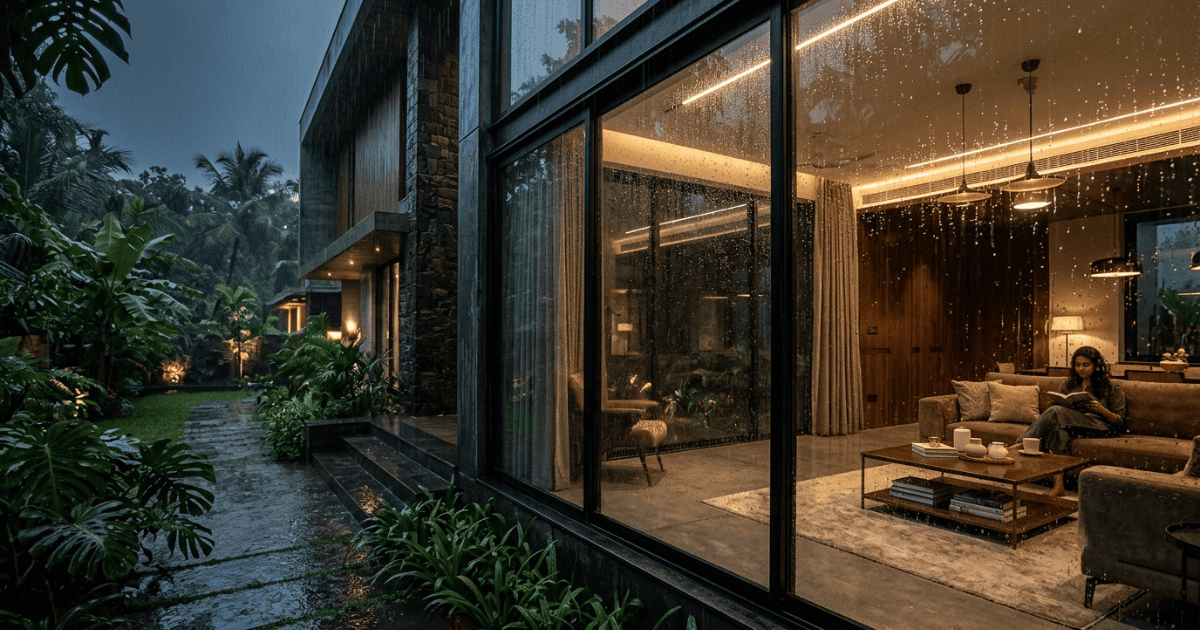
Your windows do much more than bring natural light and fresh air into your home. They also act as an important barrier between your indoor space and changing outdoor conditions. From heavy monsoon showers and strong winds to scorching summer heat, dust and humidity, your windows face different challenges throughout the year.
This is why choosing weather-resistant windows is an important consideration when building a new home, renovating an apartment or designing a modern villa.
A well-designed window system combines durable frames, suitable glazing, effective seals, reliable hardware and professional installation. Together, these elements help protect interior spaces, support comfortable indoor temperatures and reduce the maintenance problems associated with poor weather protection.
At Alcove Infra, uPVC and aluminium window systems are designed for residential and commercial spaces, helping homeowners select solutions that suit their architectural preferences and practical requirements.
1. Help Protect Your Home from Heavy Rain and Water Leakage
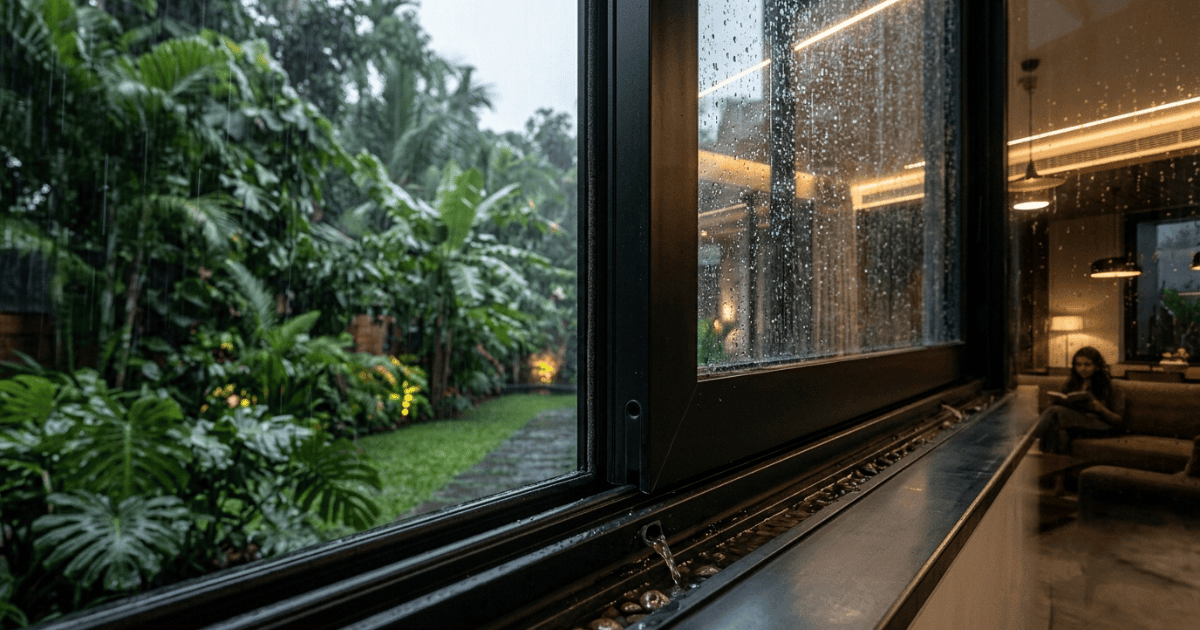
Monsoon rain can create several problems when windows have weak seals, poorly designed drainage or gaps around the frame. Water may enter through vulnerable joints, collect along the sill or contribute to damp patches on nearby walls.
Weather-resistant windows help manage these risks through carefully designed components, including:
- Effective sealing: Quality gaskets and weather seals help reduce water penetration around the closing window.
- Drainage provisions: Properly designed drainage channels direct collected water towards designated drainage outlets.
- Secure closing systems: Well-adjusted locks and hardware help the window sash close correctly against the frame.
- Correct installation: Proper sealing between the window frame and the surrounding wall helps minimise gaps where water can enter.
These features are particularly valuable in regions that experience intense monsoon rain or wind-driven showers.
However, the quality of the complete installation matters just as much as the window itself. Poor sill detailing, blocked drainage outlets or gaps in the surrounding construction can still cause leakage.
When selecting rain-resistant windows for your home, ask about the system’s water-tightness performance and how it will be installed for the conditions at your property.
2. Reduce Unwanted Air Leakage and Drafts
Gaps around older or poorly fitted windows can allow outdoor air to enter even when the window is closed. During hot weather, this may allow warm air to enter air-conditioned rooms. In cooler conditions, unwanted drafts can make indoor spaces less comfortable.
Weather-resistant window systems use well-fitting frames, seals and locking mechanisms to help control the movement of air through closed windows.
This can help:
- Reduce uncomfortable drafts near windows.
- Improve indoor temperature consistency.
- Limit the entry of outdoor dust through unintended gaps.
- Support more effective operation of heating or cooling systems.
- Create a more comfortable environment for everyday living.
For homes that regularly use air conditioning, reducing unwanted air leakage may also help limit unnecessary cooling demand. The actual energy savings depend on factors such as glass selection, room orientation, insulation, climate and how the building is used.
A tight seal should not mean eliminating the ventilation your home needs. Properly planned ventilation remains important for indoor air quality.
3. Improve Comfort During India’s Hot Summers
Summer heat can make rooms uncomfortable, especially when windows receive direct sunlight for several hours a day. Heat can enter through the glass and, depending on the system, through the window frame as well.
Choosing suitable glazing and frame materials can help manage this heat transfer.
How uPVC Windows Help
uPVC is a naturally low-conductivity material compared with conventional aluminium. Its frame construction can help reduce heat transfer through the frame, while suitable glazing adds another layer of thermal performance.
This makes uPVC windows worth considering for bedrooms, living rooms and other spaces where indoor temperature comfort is a priority.
How Aluminium Windows Help
Aluminium offers structural strength and supports slim frame designs and large glass openings. Where heat control is important, appropriately specified thermal-break aluminium systems can help reduce heat transfer through the frame.
Glass selection is equally important. Depending on the building’s orientation and exposure to sunlight, suitable solar-control glass or insulated glazing may help manage unwanted solar heat gain.
The most appropriate option depends on the property’s climate, design and budget. Selecting a window based on its overall thermal performance is more useful than choosing a frame material alone.
4. Help Limit Dust and Outdoor Noise
Dust can become a recurring concern in busy cities, construction zones and areas exposed to dry winds. Traffic and neighbourhood activity can also make interiors noisy.
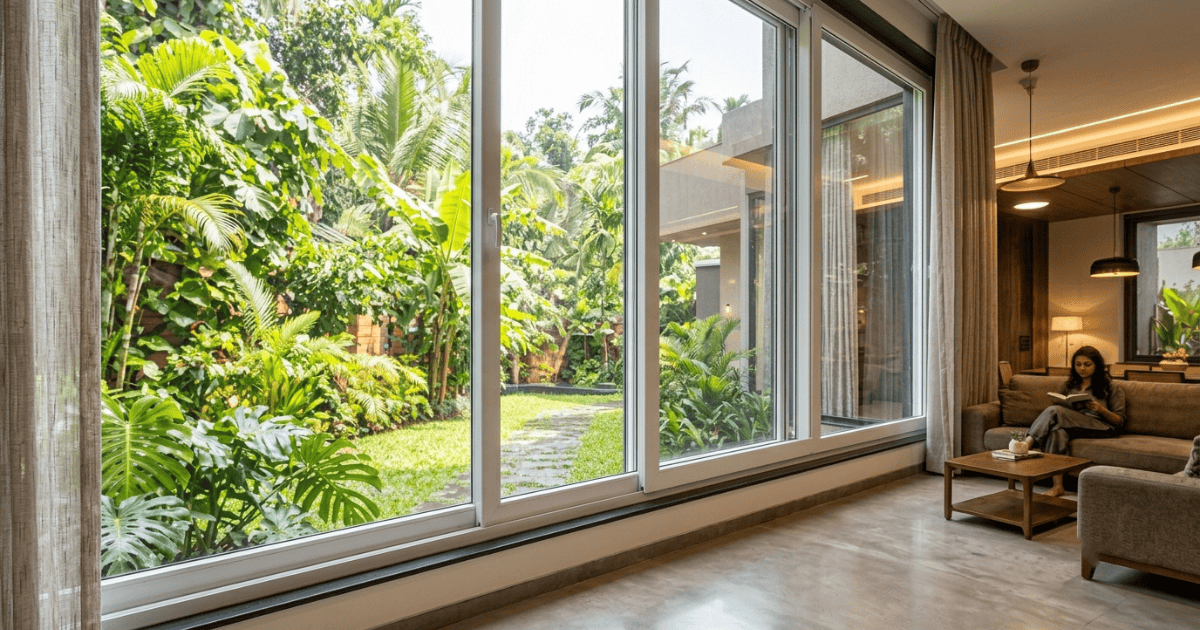
Properly fitted weather-resistant windows help reduce the movement of outdoor air through gaps, which can limit dust entering through those openings. Suitable window seals and glazing combinations can also help reduce some outdoor noise.
For better results, consider:
- The quality and condition of the weather seals.
- The fit of the window sash within the frame.
- The type and thickness of glazing.
- The window’s opening style and locking system.
- The installation quality around the perimeter.
Noise reduction varies with the sound source, glass configuration, frame design and installation. No window should be assumed to eliminate every sound.
For homes facing busy roads or high-traffic areas, ask your window supplier to recommend a system based on the noise conditions at your property.
5. Choose Materials That Suit Rain, Humidity and Daily Exposure
A window’s frame material plays an important role in its long-term performance.
uPVC Window Systems
uPVC does not rust like untreated steel and does not absorb water in the same way as timber. It is a practical option for homeowners seeking a frame material that requires relatively little routine surface maintenance.
The quality of the profile, reinforcement, hardware, seals and fabrication still matters. A well-designed system should be selected according to the window size, exposure and intended use.
Aluminium Window Systems
Aluminium provides strength, design flexibility and support for larger glazing areas. Appropriately finished aluminium frames are suitable for many contemporary homes, offices and commercial buildings.
In humid or coastal environments, the finish, hardware and protection against corrosion deserve particular attention. The specified system should also be suitable for the property’s exposure conditions.
Both materials can offer good weather resistance when properly designed, manufactured, installed and maintained. The right choice depends on the required performance, visual design, opening size and budget.
Explore Alcove’s uPVC Doors & Windows and Aluminium Doors & Windows to compare the available system options.
6. Provide More Reliable Performance in Windy Conditions
Strong winds place pressure on window frames, glass, hardware and the points where windows connect to the building. This is especially important for high-rise apartments, large windows, open landscapes and properties exposed to severe weather.
A suitable window system should have structural performance appropriate for the size of the opening, the building’s height and the local wind conditions.
Before installation, discuss these considerations with your supplier:
- Frame and reinforcement requirements.
- Glass specifications and safe glazing support.
- Locking points, hinges and other hardware.
- The size and configuration of each opening.
- Applicable air, water and wind-load performance information.
Large glass panels may look impressive, but their dimensions and construction must be matched to the building’s requirements. A product intended for one opening or exposure should not automatically be assumed suitable for every project.
Professional assessment helps ensure that design preferences are balanced with practical performance requirements.
7. Protect Interior Finishes by Reducing Moisture Risks
Water entering around a poorly sealed window can damage paint, plaster, wooden trim and nearby furnishings. Persistent moisture can also create conditions that encourage mould growth.
Weather-resistant windows can help reduce one potential source of water intrusion when their seals, drainage and installation are correctly specified.
For additional protection, make sure that the surrounding wall, exterior sill, waterproofing and window-frame junctions are properly detailed. These elements work together as part of the building envelope.
It is also helpful to investigate damp patches promptly instead of assuming that every moisture problem originates in the window. Roof leaks, plumbing faults, condensation and exterior-wall defects can produce similar symptoms.
8. Why Professional Installation and Maintenance Matter
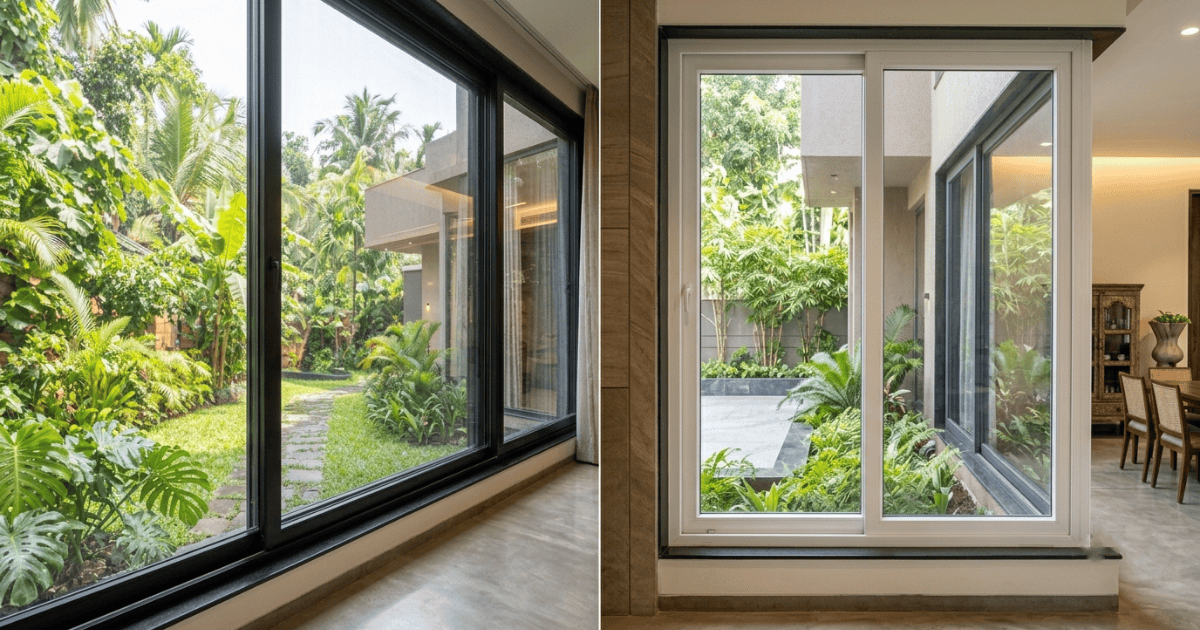
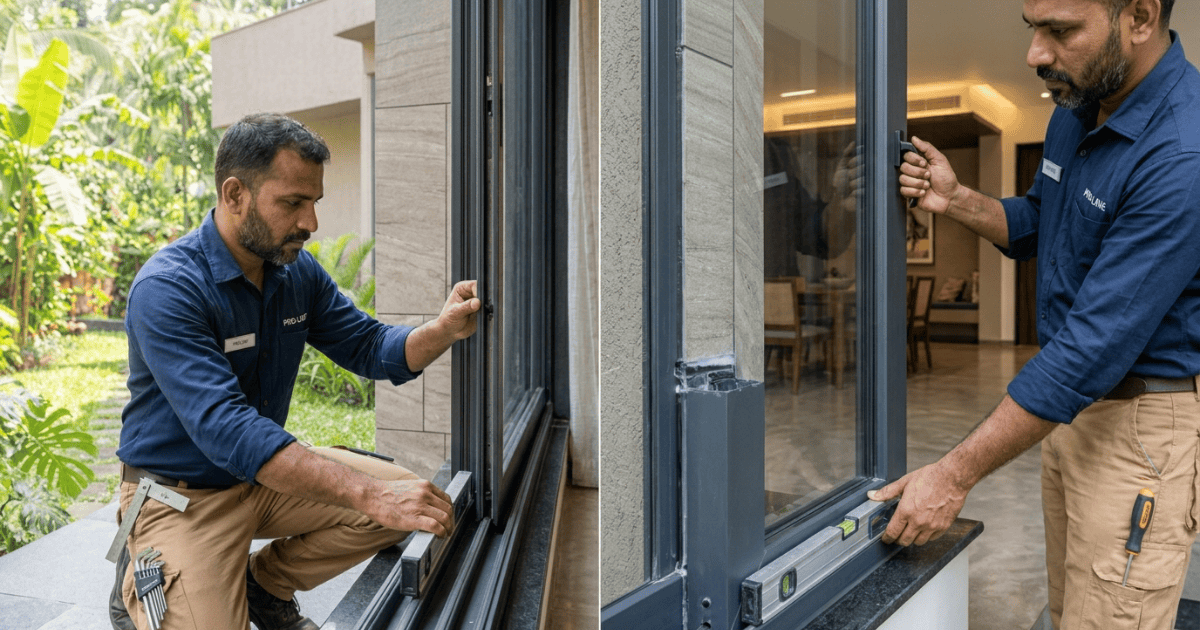
Even a high-quality window can perform poorly when installed incorrectly. Gaps around the frame, misaligned sashes, damaged seals and blocked drainage outlets can undermine weather protection.
Professional installation helps ensure that the window is measured accurately, secured appropriately and sealed to suit the surrounding construction.
Homeowners should also follow a simple maintenance routine:
- Clean the frames, glass and accessible drainage outlets regularly.
- Check that seals are not cracked, displaced or visibly damaged.
- Inspect handles, hinges, rollers and locks for smooth operation.
- Make sure that sliding tracks and drainage openings remain free of debris.
- Arrange a professional inspection if you notice recurring leakage, unusual drafts or difficulty closing the window.
Regular checks help identify developing problems before they cause more extensive damage. Always follow the cleaning and maintenance instructions supplied with your particular window system.
How to Choose the Right Weather-Resistant Windows for Your Home
Before making a decision, consider the following questions:
What weather conditions does your property experience? A home exposed to heavy monsoon rain may require different design considerations from one that receives strong afternoon sunlight or salty coastal air.
Which material suits your design? uPVC may suit projects prioritising thermal insulation and low routine maintenance, while aluminium can be attractive for slim frames and larger glass openings.
What glazing is appropriate? Glass should be selected for the home’s orientation, solar exposure, privacy, safety and thermal requirements.
How will the windows be installed? Ask about frame-to-wall sealing, sill detailing, water drainage, installation quality and after-sales support.
What performance information is available? Request relevant product specifications and test information instead of relying solely on general claims such as weatherproof or heavy-duty.
A thoughtful selection process helps you choose windows that combine appearance, comfort, durability and performance for your specific property.
Choose Alcove Infra for uPVC and Aluminium Window Solutions
At Alcove Infratech, window and door solutions are developed for residential and commercial projects, with options including uPVC systems, aluminium systems, casement windows, tilt-and-turn designs and sliding solutions.
The company provides design, manufacturing, installation and service support, helping homeowners, architects and builders plan window systems around their project requirements.
Explore Alcove Aluminium Doors & Windows to learn more about its aluminium systems, or visit the Alcove Infra website for more information.
For assistance with your upcoming project, contact the Alcove Infra team:
Phone: +91 99582 21327 | +91 9911150743
Website: https://alcoveinfra.in/
Address: A-144, Sector 80, Noida, Uttar Pradesh 201305
Frequently Asked Questions
1. What are weather-resistant windows?
Weather-resistant windows are systems designed to help withstand exposure to conditions such as rain, wind, dust, humidity and temperature changes. Their performance depends on the frame, seals, glazing, hardware, drainage and installation.
2. Are uPVC windows suitable for Indian weather?
uPVC windows can be suitable for many Indian climates because the material offers good resistance to moisture and has relatively low thermal conductivity. The complete system must still be selected according to local conditions, window size and the required performance.
3. Are aluminium windows weather-resistant?
Yes, properly designed and finished aluminium window systems can provide good weather resistance. Their performance depends on the frame design, finish, seals, drainage, hardware, glazing and installation quality.
4. Can weather-resistant windows stop rainwater leakage completely?
No window should be assumed to prevent every possible leak under every condition. A suitable design, correctly functioning seals and drainage, and professional installation help reduce the risk of water penetration.
5. How can I maintain my windows during the monsoon?
Keep drainage outlets and tracks clear, check seals for damage, verify that windows close properly and look for signs of water entry after heavy rain. Contact a professional if leakage or closing problems persist.
6. Which windows are suitable for a modern villa or high-rise apartment?
The best option depends on the building height, opening dimensions, wind exposure, desired appearance, thermal requirements and ventilation needs. Consult a window specialist to choose a system with appropriate performance specifications.
Conclusion
Weather-resistant windows are an important part of a comfortable, well-protected home. By helping manage rainwater, air leakage, heat transfer, dust and outdoor noise, a suitable window system can support everyday comfort and reduce weather-related maintenance concerns.
The key is to look beyond appearance and choose a complete solution with appropriate frame materials, glazing, seals, drainage, hardware and professional installation.
With the right planning, homeowners can make a more informed decision about window performance and select a system suited to their property’s climate and architectural requirements.