
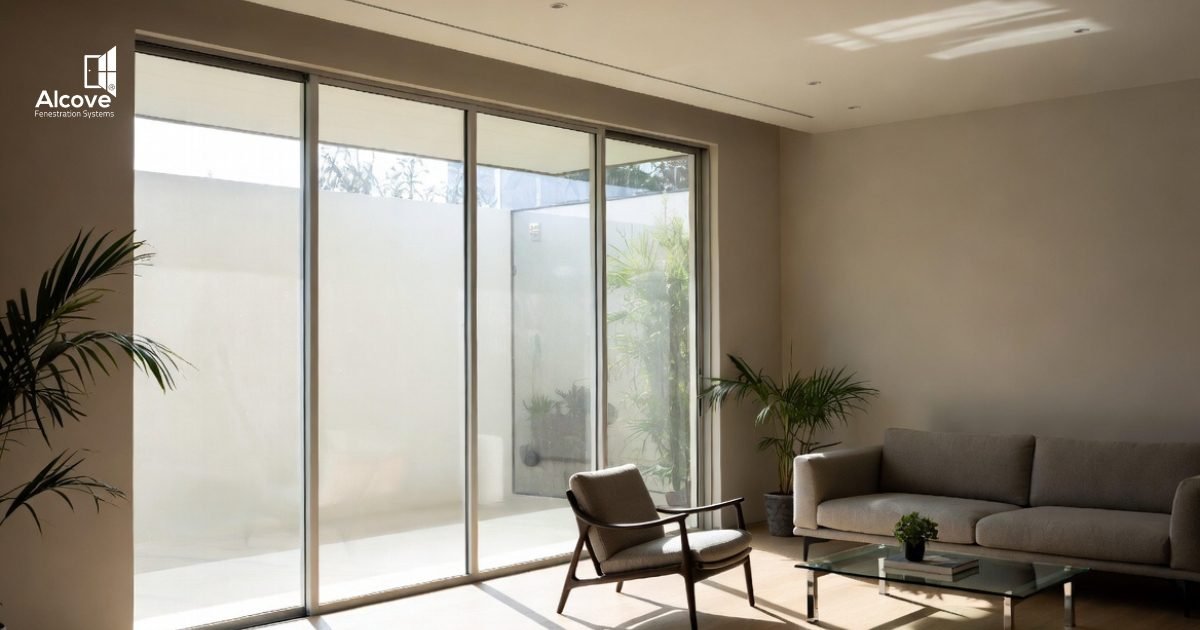
Modern architecture is evolving rapidly, focusing on minimalist aesthetics, structural performance, energy efficiency, and sustainable materials. Among the many building components, fenestration systems, windows, doors, and façade openings play a crucial role in both design and building performance.
Today, aluminium fenestration systems are widely preferred by architects, builders, and developers because they combine strength, design flexibility, durability, and sustainability. From luxury homes and high-rise apartments to commercial towers and modern offices, aluminium window and door systems have become a standard choice in contemporary architecture.
This guide explains why architects prefer aluminium fenestration systems and how they improve modern building design and performance.
What Are Aluminium Fenestration Systems?
Aluminium fenestration systems include windows, doors, sliding systems, and façade elements made using aluminium frames and advanced glazing technologies.
These systems are commonly used in:
- Residential homes
- High-rise apartments
- Commercial buildings
- Luxury villas
- Institutional and office buildings
Because aluminium is lightweight yet extremely strong, it allows architects to create large openings and expansive glass surfaces while maintaining structural stability.

1. Exceptional Strength with Lightweight Structure
One of the biggest reasons architects prefer aluminium is its high strength-to-weight ratio. Aluminium frames are strong enough to support large glass panels while remaining lightweight compared to other metals.
This structural advantage allows architects to design:
- Floor-to-ceiling windows
- Large sliding doors
- Wide glass façades
- Panoramic balcony openings
Because aluminium frames maintain structural stability even under heavy wind loads, they are especially suitable for high-rise buildings and coastal environments.
2. Slim Profiles and Modern Aesthetic Design
Contemporary architecture emphasizes clean lines and minimalist design. Aluminium fenestration systems feature slim frames that allow more glass area and less visual obstruction.
Benefits of slim aluminium frames include:
- Wider outdoor views
- Maximum natural daylight
- Elegant modern aesthetics
Architects often choose aluminium because its narrow sightlines help create open, bright, and visually spacious interiors.
3. Design Flexibility for Creative Architecture
Architectural projects often require unique window shapes and configurations. Aluminium is highly adaptable and can be fabricated into various forms and sizes.
Architects can design:
- Curved window frames
- Corner glass windows
- Large sliding door systems
- Custom geometric openings
Because aluminium can be shaped and engineered easily, it provides greater creative freedom in architectural design.
4. Long-Term Durability
Buildings are expected to last decades, and the materials used must perform reliably over time.
Aluminium fenestration systems offer exceptional durability because they are resistant to:
- Corrosion
- Moisture damage
- UV exposure
- Temperature fluctuations
High-quality aluminium window systems can last 30–40 years with minimal maintenance, making them a long-term investment for buildings.
5. Low Maintenance Requirements
Architects and building owners prefer materials that reduce maintenance costs.
Unlike wooden frames that require painting or sealing, aluminium windows require only occasional cleaning to maintain their appearance and performance.
Key maintenance advantages include:
- No rust or corrosion
- No termite damage
- No repainting required
- Easy cleaning with mild detergent
This makes aluminium fenestration systems particularly suitable for large residential and commercial projects.
6. Energy Efficiency and Thermal Performance
Energy efficiency is a major priority in modern architecture. Aluminium fenestration systems now incorporate thermal break technology, which improves insulation and reduces heat transfer.
Thermal break aluminium frames help:
- Maintain indoor temperatures
- Reduce energy consumption
- Improve occupant comfort
When combined with double-glazed or Low-E glass, aluminium window systems can significantly improve building energy performance.

7. Sustainability and Environmental Benefits
Sustainability has become a key consideration in architecture and construction.
Aluminium is one of the most environmentally responsible building materials because it is 100% recyclable without losing its quality.
In fact, recycling aluminium requires only a small fraction of the energy needed to produce new aluminium, making it highly sustainable.
Because of this, aluminium fenestration systems are widely used in green buildings and sustainable construction projects.
8. Superior Security and Structural Stability
Security is an essential factor in building design. Aluminium window frames are inherently strong and can support advanced locking mechanisms.
These systems offer:
- Multi-point locking systems
- Strong structural frames
- Compatibility with laminated or toughened glass
The rigidity of aluminium makes it more resistant to forced entry compared to many traditional window materials.
9. Weather Resistance for Harsh Climates
Buildings must withstand extreme environmental conditions such as heavy rain, strong winds, and intense sunlight.
Aluminium fenestration systems are highly resistant to:
- High humidity
- UV exposure
- Coastal corrosion
- Strong wind loads
This weather resistance ensures reliable performance even in challenging climates.
10. Precision Engineering and Tested Performance
Modern aluminium fenestration systems are manufactured using advanced fabrication technologies and precision engineering.
Factory-produced systems ensure:
- Accurate dimensions
- Consistent quality
- Reliable installation
These systems are often tested for air, water, wind, and acoustic performance, ensuring predictable building performance and long-term reliability.
Applications of Aluminium Fenestration Systems
Because of their versatility, aluminium window and door systems are widely used in various architectural projects:
Residential Buildings
- Luxury villas
- High-rise apartments
- Modern homes
Commercial Buildings
- Office towers
- Shopping malls
- Hotels and resorts
Institutional Projects
- Hospitals
- Universities
- Airports
Their ability to support large glass areas makes them ideal for modern architectural façades.

Future of Aluminium Fenestration in Architecture
The future of fenestration systems is moving toward smart buildings, sustainable construction, and energy-efficient materials.
Innovations in aluminium systems now include:
- Smart glazing integration
- High-performance thermal insulation
- Automated sliding systems
- Large panoramic glass installations
As architecture continues to evolve, aluminium fenestration systems will remain a core element in modern building design.
Conclusion
Aluminium fenestration systems have become the preferred choice for architects because they offer the perfect balance of strength, aesthetics, durability, and sustainability.
From slim modern designs and large glass openings to energy efficiency and long lifespan, aluminium windows and doors provide numerous advantages for contemporary buildings.
For architects designing modern homes, commercial buildings, or luxury residences, aluminium fenestration systems deliver both performance and design freedom, making them an essential component of modern architecture.