
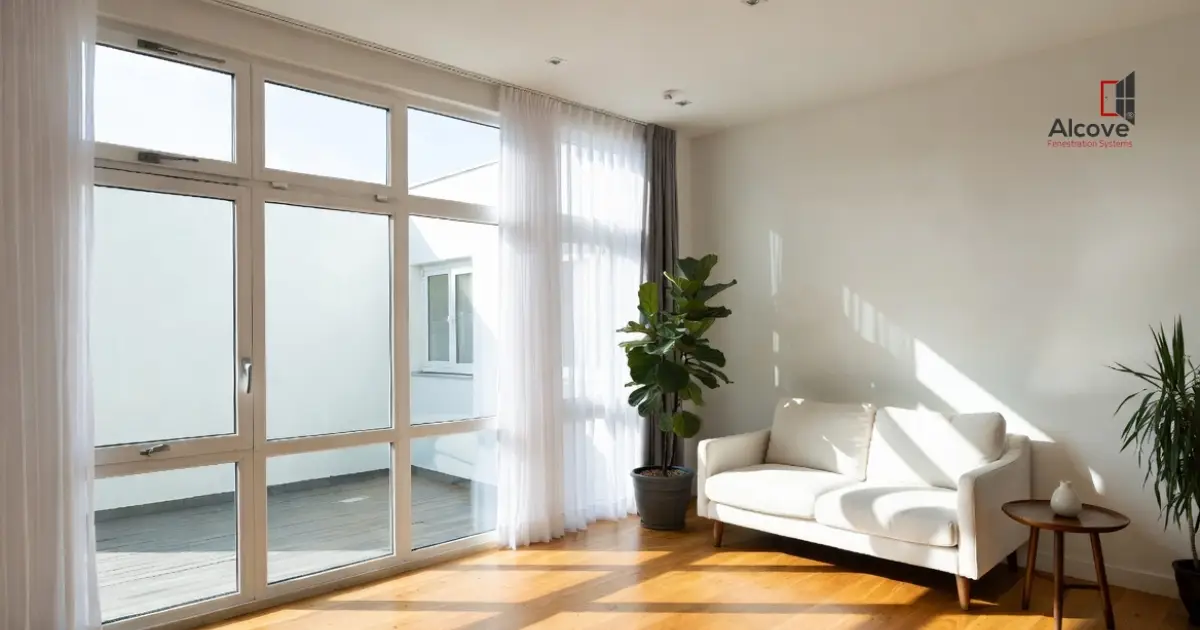
Windows play a major role in defining the comfort, energy efficiency, and design of modern homes. Today, uPVC windows (Unplasticized Polyvinyl Chloride) have become one of the most popular window solutions for residential and commercial buildings because of their durability, insulation, and low maintenance.
In this comprehensive guide, you will learn what uPVC windows are, how they work, their benefits, types, design options, and how to choose the right system for your home.
What are uPVC Windows?
uPVC stands for Unplasticized Polyvinyl Chloride, a rigid and durable material widely used for window and door frames. Unlike traditional PVC, it does not contain plasticizers, which makes it stronger, more stable, and resistant to weather damage.
uPVC windows are engineered using multi-chambered profiles, reinforced frames, and high-performance glass, creating a strong and energy-efficient window system for modern buildings.
These windows are commonly used in:
- Modern residential homes
- Luxury villas
- High-rise apartments
- Commercial buildings
- Offices and retail spaces
Because of their performance and long lifespan, uPVC windows are increasingly replacing traditional wooden and steel window frames in modern construction.
Why uPVC Windows Are Popular in Modern Homes
Modern architecture focuses on energy efficiency, minimal maintenance, and durability, and uPVC windows perfectly match these requirements.
Key reasons homeowners prefer uPVC windows include:
- Excellent thermal insulation
- Noise reduction in urban environments
- Weather resistance in extreme climates
- Long service life with minimal maintenance
uPVC frames are poor conductors of heat, which helps maintain indoor temperature and reduce reliance on air conditioning or heating systems.

Key Benefits of uPVC Windows
1. Energy Efficiency
Energy efficiency is one of the biggest advantages of uPVC windows.
The multi-chambered design inside the frame traps air and creates insulation barriers, reducing heat transfer between indoor and outdoor environments.
Benefits include:
- Cooler homes in summer
- Warmer interiors in winter
- Lower electricity bills
- Reduced carbon footprint
When combined with double-glazed or Low-E glass, uPVC windows can significantly improve building energy performance.
2. Excellent Noise Insulation
Urban homes often suffer from traffic noise and pollution.
High-quality uPVC windows with airtight seals and insulating glass can significantly reduce outside noise, creating a quieter indoor environment.
This makes them ideal for:
- Apartments near busy roads
- Homes near airports or commercial areas
- Offices and work-from-home spaces
3. Low Maintenance
Unlike wood or metal frames, uPVC windows require very little maintenance.
They do not require:
- Painting
- Polishing
- Rust protection
- Anti-termite treatment
Cleaning usually requires only a soft cloth and mild detergent, making them extremely convenient for homeowners.
4. Durability and Long Lifespan
uPVC windows are highly durable and resistant to:
- Corrosion
- Rot
- UV radiation
- Moisture damage
A properly installed uPVC window system can last 20–30 years or more, maintaining both performance and appearance.
5. Weather Resistance
Modern homes face diverse environmental conditions such as heavy rain, extreme heat, and humidity.
uPVC windows are designed to withstand harsh climates and remain stable without warping or cracking.
This makes them suitable for:
- Coastal areas
- High-humidity regions
- Areas with strong sunlight exposure
6. Enhanced Security
Modern uPVC windows are designed with advanced security features such as:
- Multi-point locking systems
- Reinforced steel frames
- Impact-resistant glazing
These features make it more difficult for intruders to force entry, improving home safety.

Types of uPVC Windows for Modern Homes
Different architectural styles require different window systems. Here are the most popular uPVC window types.
Casement Windows
Casement windows open outward or inward using hinges and offer excellent ventilation.
Best for:
- Bedrooms
- Living rooms
- Kitchens
Sliding Windows
Sliding windows move horizontally on tracks and are perfect for compact spaces.
Benefits:
- Space-saving design
- Smooth operation
- Large glass area for natural light
Tilt and Turn Windows
Tilt and turn windows are a modern European design offering two opening options:
- Tilt for ventilation
- Turn for full opening
These windows are popular in modern luxury homes and high-rise apartments.
Fixed Windows
Fixed windows do not open but provide maximum glass area for natural light and outdoor views.
They are commonly used in:
- Living rooms
- Staircases
- Large façade designs
Design Options for uPVC Windows
Modern uPVC window systems offer a wide range of customization options.
Frame Colors and Finishes
Common options include:
- Classic white
- Wood-grain finish
- Matte black
- Grey metallic finish
These options allow homeowners to match windows with interior or exterior design.
Glass Options
Different glass types can improve window performance.
Popular choices include:
- Double-glazed glass
- Laminated safety glass
- Low-E glass
- Tinted glass
These glass options enhance energy efficiency, security, and comfort.
uPVC Windows vs Traditional Window Materials
| Feature | uPVC Windows | Wooden Windows | Steel Windows |
|---|---|---|---|
| Maintenance | Very Low | High | Moderate |
| Durability | 20–30+ years | Moderate | High |
| Weather Resistance | Excellent | Poor | Moderate |
| Energy Efficiency | High | Medium | Low |
| Cost Efficiency | High | High maintenance cost | Moderate |
This comparison shows why uPVC windows are increasingly preferred in modern construction.

How to Choose the Right uPVC Windows
Selecting the right window system involves more than just choosing a design.
Important factors to consider include:
Profile Quality
Choose multi-chambered profiles for better insulation.
Glass Type
Double-glazing improves thermal and acoustic performance.
Hardware Quality
Ensure durable hinges, locks, and handles.
Professional Installation
Even the best windows perform poorly if installation is incorrect. Proper sealing and alignment are essential for energy and noise performance.
Are uPVC Windows Environmentally Friendly?
Yes, uPVC windows can be environmentally responsible when manufactured correctly.
Modern uPVC materials are recyclable and can be reused multiple times without losing performance, reducing long-term environmental impact.
Their insulation properties also help reduce energy consumption throughout the building’s lifetime.
Final Thoughts
uPVC windows have become a modern standard in residential and commercial architecture due to their performance, durability, and design flexibility.
From energy efficiency and noise insulation to weather resistance and minimal maintenance, uPVC windows offer long-term advantages for homeowners and builders.
Whether you are building a new home or upgrading existing windows, choosing high-quality uPVC systems can significantly improve comfort, aesthetics, and property value.