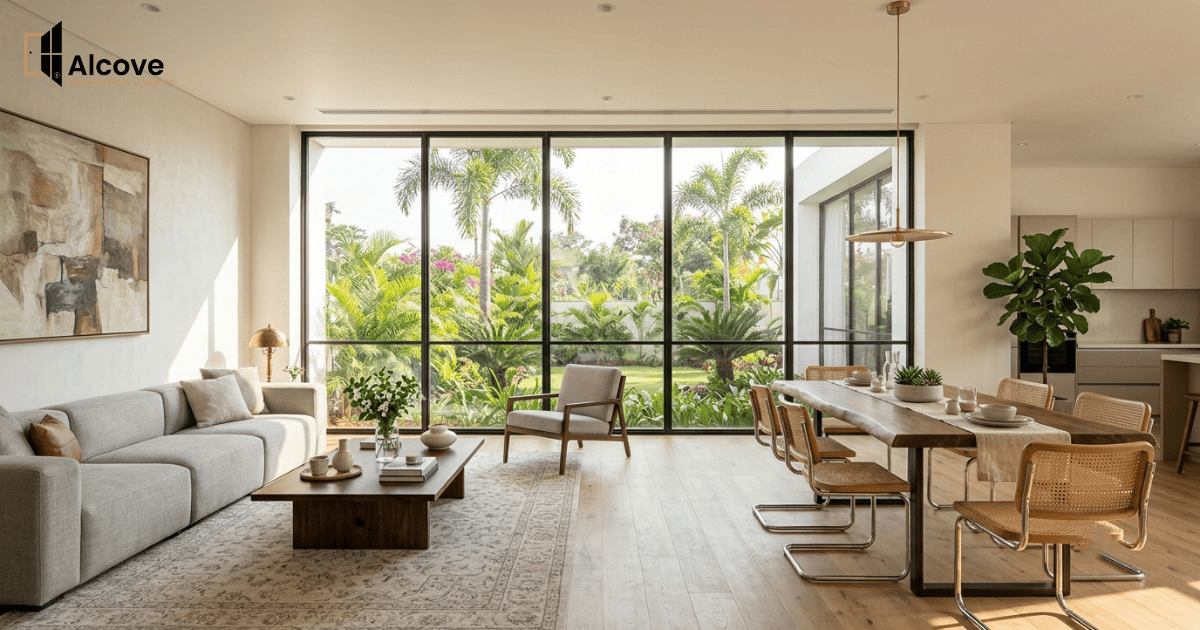
Natural light plays an important role in creating a comfortable, welcoming, and visually appealing home. A well-lit room feels more open, interiors appear more vibrant, and homeowners can rely less on artificial lighting during the day. One of the most effective ways to improve indoor daylight is by choosing the right windows.
However, selecting windows for maximum natural light involves more than simply installing larger glass panels. Window placement, frame design, glass specifications, building orientation, and external shading all influence how much useful daylight enters a room.
Whether you are designing a new home, renovating an apartment or planning a modern villa, selecting the right window system can make a noticeable difference.
In this guide, we will explore how to choose windows that maximise natural light while maintaining privacy, energy efficiency and indoor comfort.
1. Understand the Importance of Window Size and Placement
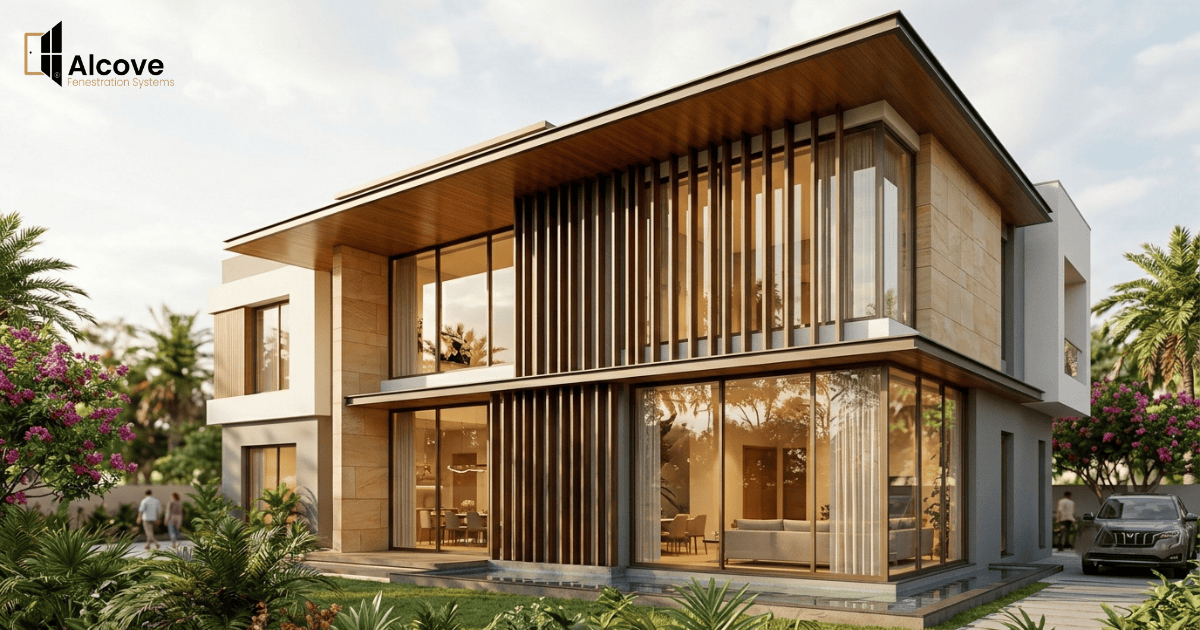
Window size is one of the first things to consider when planning a naturally bright home. Wider windows can allow more daylight to enter, while strategically positioned openings can distribute light more effectively throughout a room.
However, bigger is not always better. An oversized window without suitable glazing or shading can introduce excessive heat and glare, particularly during warmer months.
Consider the following factors:
- Window width: Wider openings can increase the amount of daylight entering a room.
- Window height: Higher window openings can help distribute light deeper into interior spaces.
- Glass area: A larger clear-glass area allows more light to pass through.
- External surroundings: Nearby buildings, trees, balconies, and boundary walls can block sunlight.
- Room depth: Deep rooms may require carefully positioned windows or additional daylight openings.
For better results, consider the direction of sunlight and the purpose of the room before finalising window dimensions.
2. Choose the Right Window Orientation
The direction your windows face can influence the quality, intensity, and duration of natural daylight. In Indian homes, orientation deserves special attention because sunlight and outdoor temperatures vary throughout the year.
Here is a general guide:
North-Facing Windows
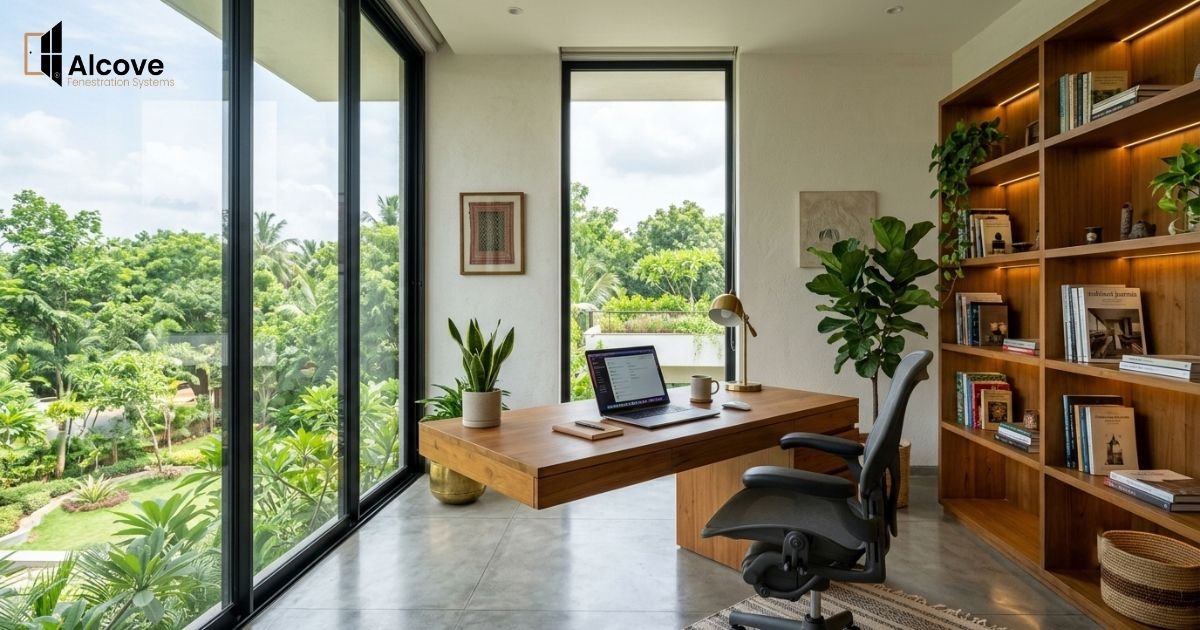
North-facing windows generally receive softer, more consistent daylight with less direct sunlight. They can be suitable for study rooms, workspaces, studios, and rooms where comfortable ambient light is important.
South-Facing Windows
South-facing windows can receive useful daylight throughout the day, although the amount of direct sunlight changes with the season and location. Suitable overhangs and shading systems can help manage excessive sunlight.
East-Facing Windows
East-facing windows bring in morning sunlight, making them a good option for bedrooms, breakfast areas, and spaces where softer morning light is preferred.
West-Facing Windows
West-facing windows receive strong afternoon sunlight, which can create glare and increase indoor heat. Consider suitable glazing, external shading, and carefully planned window dimensions for these areas.
Pro Tip: Do not select window orientation based on direction alone. Local climate, surrounding buildings, seasonal sun paths and external shading should also be considered.
3. Select Aluminium Windows for Wider Glass Views
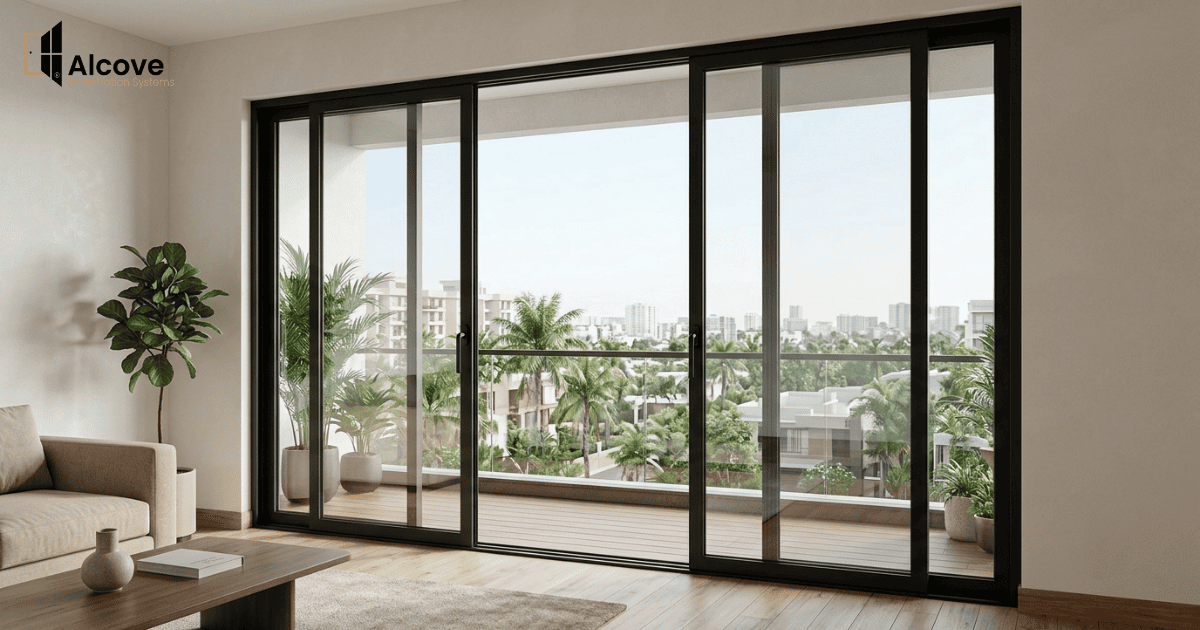
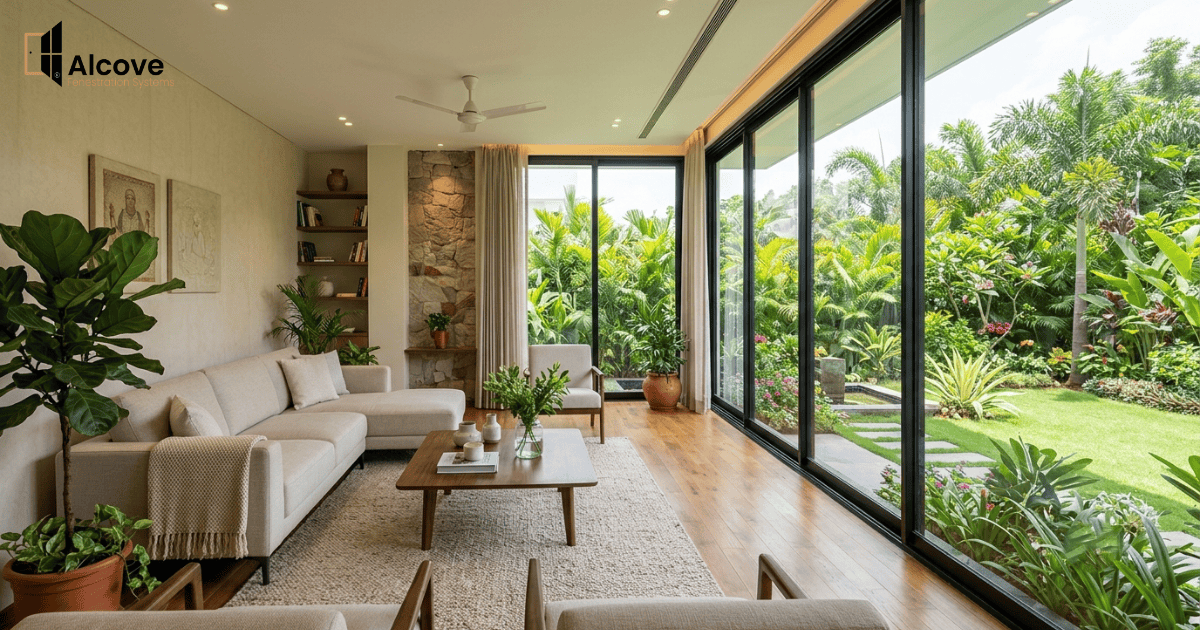
Aluminium windows are a popular option for contemporary homes because their strength allows manufacturers to design sleek profiles and large glazed openings.
Slim aluminium frames can reduce the visual area occupied by the frame, allowing a greater proportion of the window opening to remain glass. This can help create brighter interiors and wider outdoor views.
Some useful options include:
- Aluminium Sliding Windows: Suitable for modern living rooms, bedrooms and areas where saving interior space is important.
- Aluminium Casement Windows: Provide an opening section for ventilation and can be configured with generous glass areas.
- Fixed Aluminium Windows: Ideal for areas where uninterrupted views and maximum glazed area are priorities.
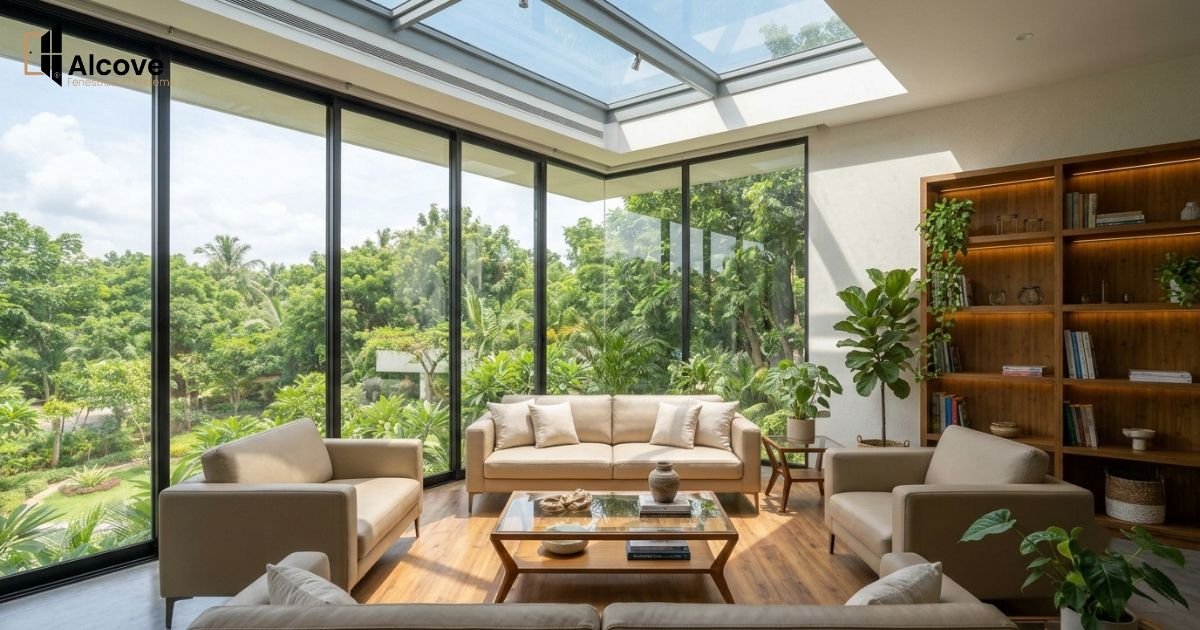
- Corner Windows: Bring daylight from multiple directions and create a more open architectural appearance.
- Lift and Slide Systems: Suitable for larger openings and seamless connections between indoor and outdoor spaces.
Alcove’s slim aluminium systems are designed around the concept of less frame and more view, making them a strong option for projects where expansive glass visibility is a design priority.
4. Consider uPVC Windows for Comfort and Daylight
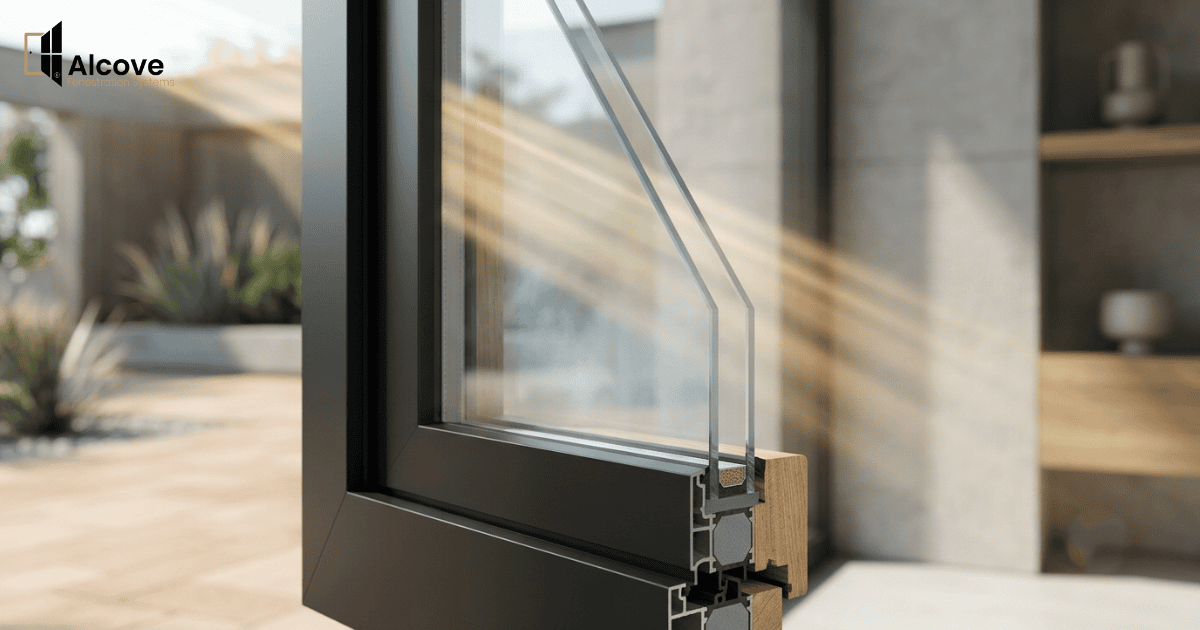
Aluminium is not the only option for homes that need natural light. uPVC windows can also be configured with generous glazing areas while providing useful thermal and acoustic insulation benefits.
Modern uPVC window systems are available in different configurations to suit bedrooms, kitchens, living rooms and other spaces.
Popular options include:
- uPVC Casement Windows: A practical option for everyday ventilation and natural daylight.
- uPVC Sliding Windows: Suitable for apartments and rooms where space-saving operation is preferred.
- uPVC Tilt and Turn Windows: Offer flexible opening positions, controlled ventilation, and convenient cleaning.
- uPVC Fixed Windows: Useful for increasing glazed areas where an opening function is not required.
When comparing uPVC and aluminium windows, pay attention to the visible glass area, frame dimensions, glazing specifications, and overall performance instead of choosing only by material.
5. Choose the Right Window Glass for Natural Light
The glass used in a window directly affects how much visible daylight enters your home. Even a large window may not provide the desired brightness if the selected glass has unsuitable light-transmission properties.
One important specification to understand is Visible Light Transmittance (VLT).
VLT indicates the proportion of visible light that passes through the glass. A higher VLT generally means more visible daylight can enter, while a lower VLT allows less visible light through.
Here are some glazing considerations:
Clear Glass
Clear glass is a common choice when the priority is maintaining natural daylight and unobstructed outdoor views.
Double-Glazed Glass
Double-glazed units contain two panes of glass separated by a sealed space. Depending on the complete system specification, they can improve thermal and acoustic performance while still allowing useful daylight.
Low-E Glass
Low-emissivity glass has a specialised coating that can reduce certain forms of heat transfer while allowing visible light to pass through. The exact performance depends on the coating and glass specification.
Tinted Glass
Tinted glass can reduce incoming visible light and may affect the brightness of interior spaces. It should be selected carefully based on the building’s orientation, heat-control needs, and daylight requirements.
Remember that VLT and Solar Heat Gain Coefficient (SHGC) measure different things. VLT concerns visible light transmission, while SHGC relates to the amount of solar heat entering through the glazing.
A suitable balance between the two is essential for homes that need both daylight and thermal comfort.
6. Use External Shading to Control Glare and Heat
Natural daylight is beneficial, but uncontrolled direct sunlight can make certain rooms uncomfortable.
External shading systems can help manage the amount of direct sunlight reaching the glass.
Consider these options:
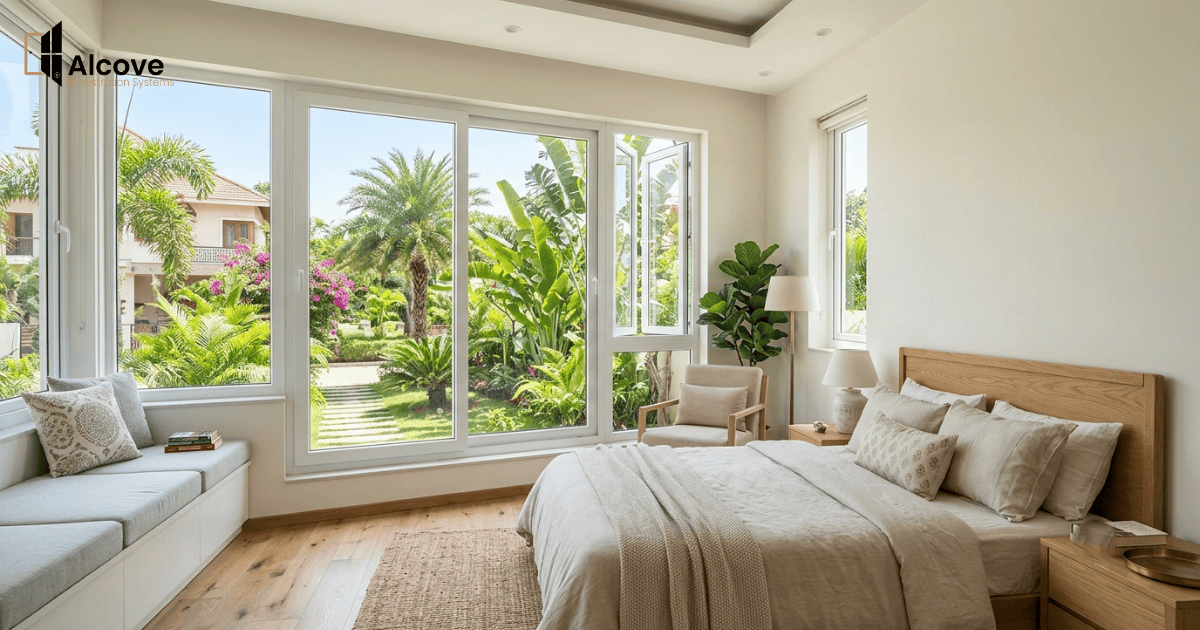
- Roof Overhangs: Help control direct sunlight entering through windows.
- Vertical Fins: Can be useful for managing sunlight on east- and west-facing elevations.
- External Louvres: Allow designers to control sunlight while maintaining an attractive exterior.
- Balcony Shading: Can reduce direct solar exposure to windows positioned behind balconies.
- Curtains and Blinds: Provide additional control over privacy and indoor brightness.
It is often more effective to plan suitable external shading along with the window and glass specifications rather than depending on curtains alone.
7. Choose Windows According to the Room
Different rooms have different daylight and ventilation requirements. A window suitable for a living room may not be the ideal choice for a bathroom or bedroom.
Living Room
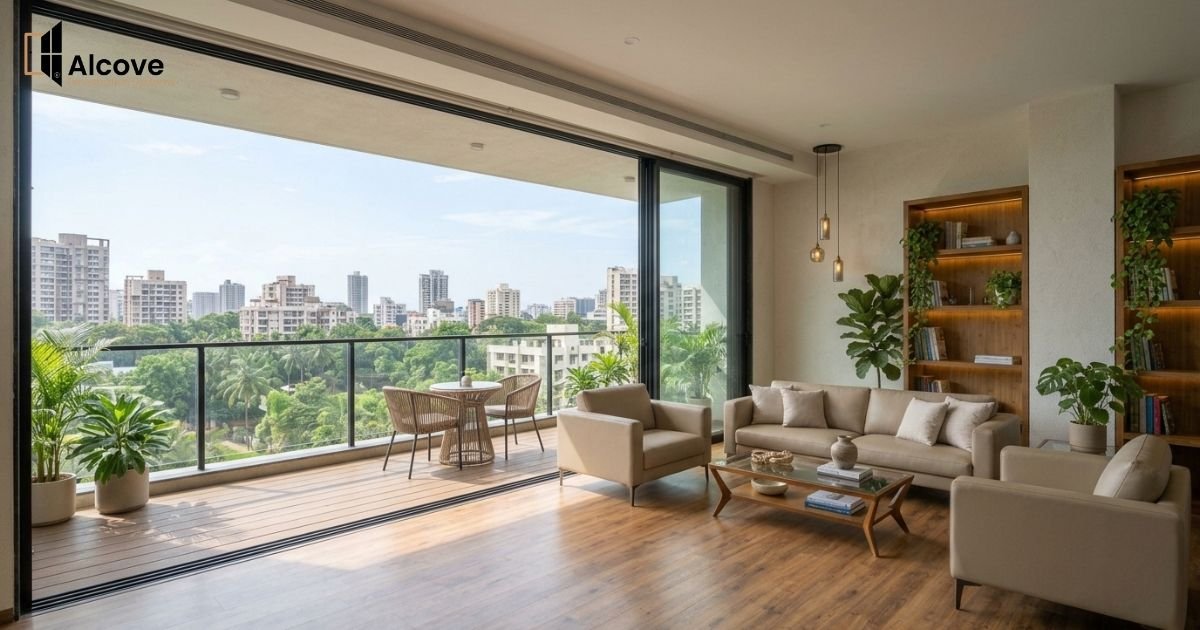
Living rooms benefit from wide glazed openings, sliding windows and large aluminium systems. These can help create a bright atmosphere and connect the interior with outdoor spaces.
Bedroom
Bedrooms need a balance of daylight, privacy and ventilation. Casement, sliding and tilt-and-turn windows can be considered according to the available wall space and room layout.
Kitchen
Kitchen windows should provide sufficient natural light and convenient ventilation. Casement or sliding configurations can work well depending on the kitchen’s layout.
Bathroom
For bathrooms, privacy should be a priority. Consider carefully selected glazing and window positions that allow daylight without compromising privacy.
Staircase and Passage Areas
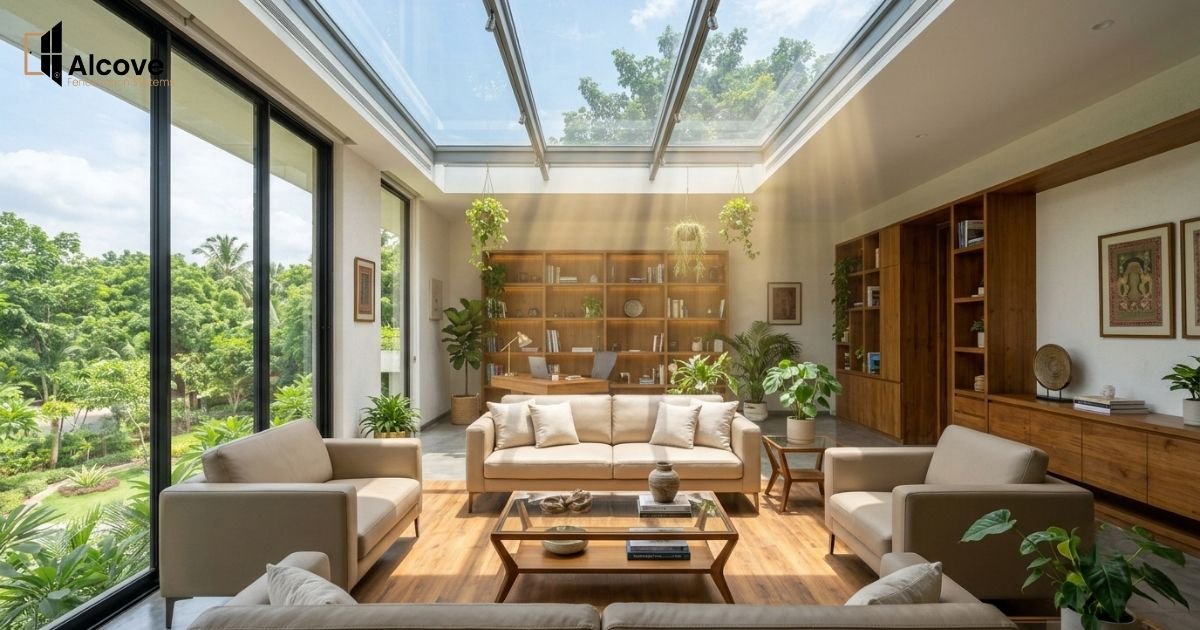
Fixed windows, high-level windows, and suitable skylights can help brighten spaces that may otherwise receive very little daylight.
8. Do Not Ignore Interior Design and Natural Light Distribution
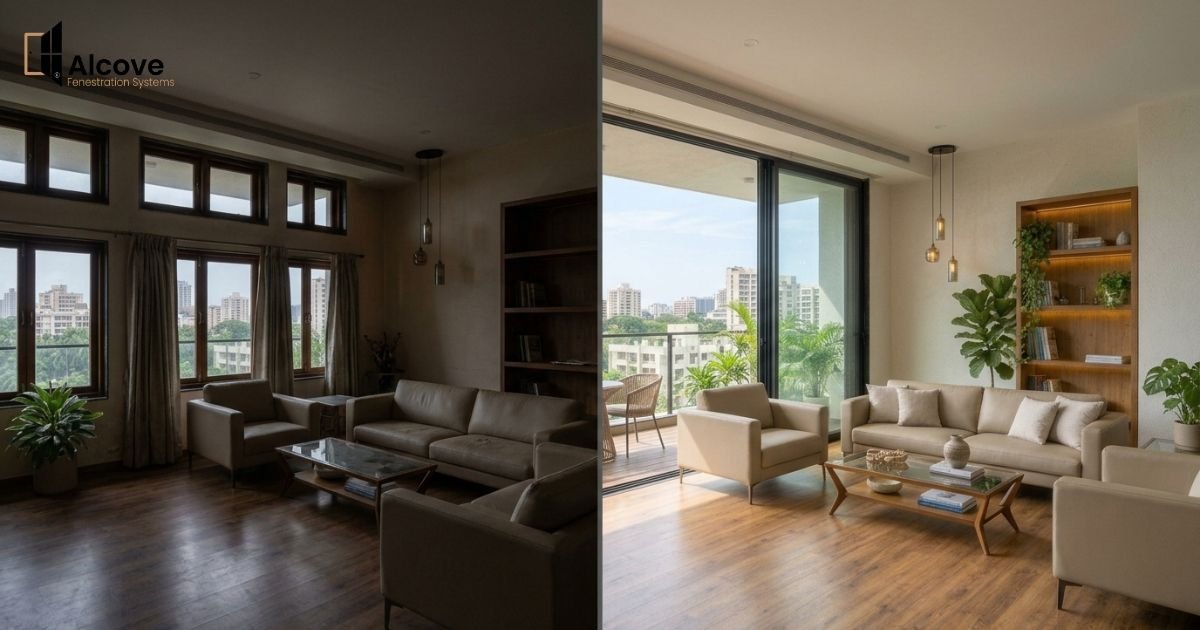
Choosing good windows is important, but interior design also influences how daylight spreads across a room.
A few simple design choices can help improve natural brightness:
- Use light-coloured walls and ceilings to reflect daylight.
- Choose matte finishes to reduce unwanted reflections and glare.
- Avoid placing large furniture directly in front of important window openings.
- Keep window glass clean to prevent dust from reducing incoming light.
- Use mirrors strategically to reflect daylight into darker corners.
- Avoid unnecessarily heavy window coverings during daytime.
When combined with well-positioned windows, these details can make a room feel brighter and more spacious.
9. Common Mistakes to Avoid When Choosing Windows
Before finalising your window designs, avoid these common mistakes:
Choosing windows based only on size: Large windows may increase heat gain if glazing and shading are not planned properly.
Ignoring glass specifications: A window frame and a glass panel work together. Always check VLT, SHGC, and thermal performance.
Selecting dark glass without considering daylight: Excessively dark glazing can make interiors feel less bright.
Ignoring the direction of sunlight: A window that works well on one side of a home may create excessive glare on another.
Overlooking ventilation: Fixed glass panels can maximise uninterrupted views but do not provide natural ventilation. Include suitable opening sections where needed.
Compromising on installation: Incorrect measurements or poor installation can affect sealing, weather resistance and the long-term performance of a window system.
10. Choose the Right Window Partner for Your Home
Selecting the right windows requires attention to design, material, glazing and installation quality. Working with an experienced window and door solutions provider can help you evaluate these elements before making a final decision.
Alcove Infratech offers made-to-order uPVC and aluminium fenestration systems for residential and commercial projects. Its product range includes casement windows, sliding windows, tilt-and-turn systems, lift-and-slide systems, and sliding-folding patio doors.
For modern architectural projects, Alcove’s slim aluminium systems offer a design approach focused on greater glass visibility and expansive outdoor views. Its uPVC systems provide additional options for homeowners looking for insulation, noise reduction and low-maintenance window solutions.
The right configuration depends on your property’s orientation, room dimensions, ventilation requirements, preferred appearance and glazing specifications.
Conclusion
Choosing the right windows for maximum natural light is about achieving the right balance between glass area, window placement, frame design, glazing and shading.
Aluminium windows with slim profiles can help increase glass visibility, while uPVC systems offer versatile configurations for comfortable modern homes. Selecting suitable glass and planning window orientation carefully can further improve daylight without creating unnecessary glare or heat.
Whether you are building a new home or renovating an existing property, thoughtful window selection can make your interiors brighter, more comfortable and visually connected to the outdoors.
Looking for premium aluminium or uPVC windows for your home?
Connect with Alcove Infratech to explore made-to-order window and door systems designed for modern residential and commercial spaces.
Website: https://alcoveinfra.in/