
In 2026, homeowners and architects are rewriting the rules of what windows can be. Gone are the days when a window was simply a functional opening for light and ventilation. Today, window design is a central pillar of architectural identity, shaping how a home breathes, feels, and speaks to its landscape.
From glass walls that dissolve the boundary between indoors and outdoors, to heritage-inspired arched frames making a dramatic comeback, this year’s window trends blend cutting-edge material science with timeless aesthetic instincts. Whether you’re building from scratch, renovating, or simply looking for inspiration, here are the top window design trends for modern homes in 2026: fresh, original, and worth your attention.
01. Frameless Glass Wall Windows
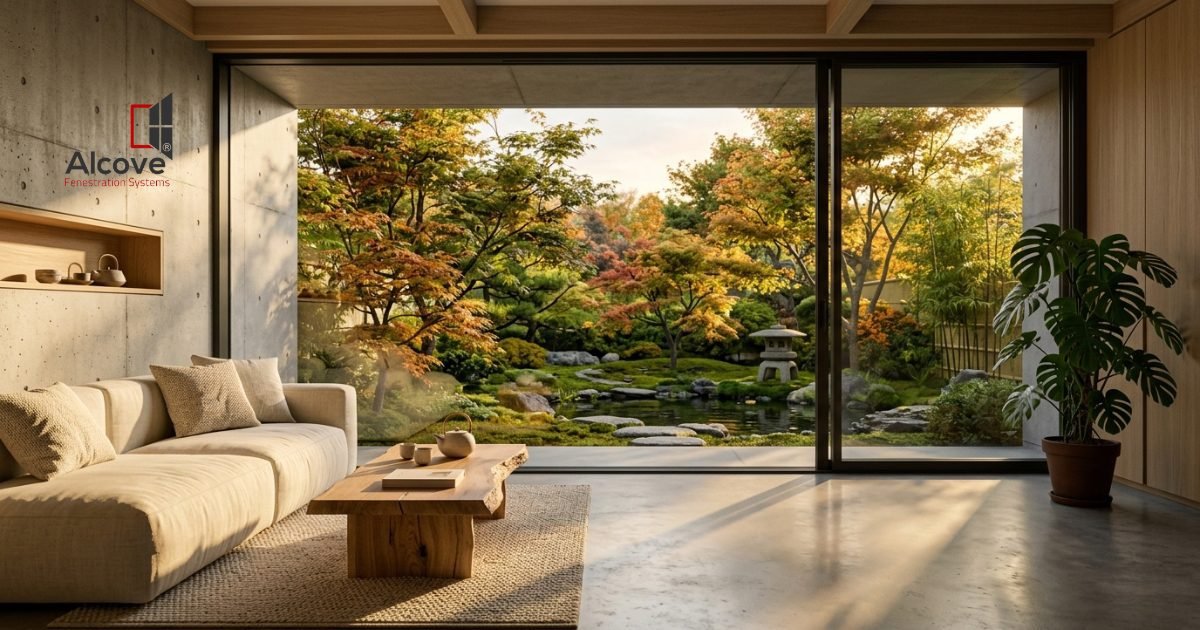
The most talked-about window design trend of 2026 is the rise of truly frameless glass walls — expansive panels of structural glazing that stretch from floor to ceiling without any visible framing. These installations blur the line between wall and window entirely, flooding interiors with natural light and creating a seamless visual connection to gardens, courtyards, or city skylines.
What makes this trend achievable in 2026 is the advancement in structural silicone bonding and ultra-thin edge-bonded glass technology. Panels up to 4 meters wide can now be installed with near-invisible joinery, giving the illusion of a wall made entirely of air and light. In living rooms and master suites, this creates an almost meditative visual openness that standard windows simply cannot achieve.
✦ Design Tips
- Triple-laminated glass is recommended for thermal efficiency in frameless installations.
- Pair with motorised blinds hidden inside ceiling recesses for privacy control.
- Works best in homes with a strong indoor-outdoor connection — courtyards, hillside plots, or large garden frontages.
02. Smart Dynamic Glazing & Electrochromic Glass
Intelligent windows are no longer a luxury reserved for corporate towers. In 2026, electrochromic and thermochromic smart glass is making its way into residential architecture at increasingly accessible price points. These windows can shift from fully transparent to deeply tinted at the touch of a button — or automatically, in response to sunlight intensity and temperature.
For homeowners in hot climates or sun-drenched rooms, smart glazing eliminates the need for heavy curtains and external blinds while dramatically reducing solar heat gain. Some systems integrate directly with home automation platforms, adjusting tint levels throughout the day to maintain optimal comfort and reduce air conditioning load. This trend ticks both the energy efficiency and minimalist aesthetic boxes simultaneously — windows that do more, look cleaner, and consume less.
✦ Design Tips
- Look for systems with a visible light transmittance (VLT) range of 3%–70% for maximum flexibility.
- Pair with solar-powered window control systems for a truly off-grid-compatible setup.
- Best applied in west-facing and south-facing rooms that receive the most direct afternoon sun.
03. Arched & Curved Window Openings — Heritage Meets Contemporary
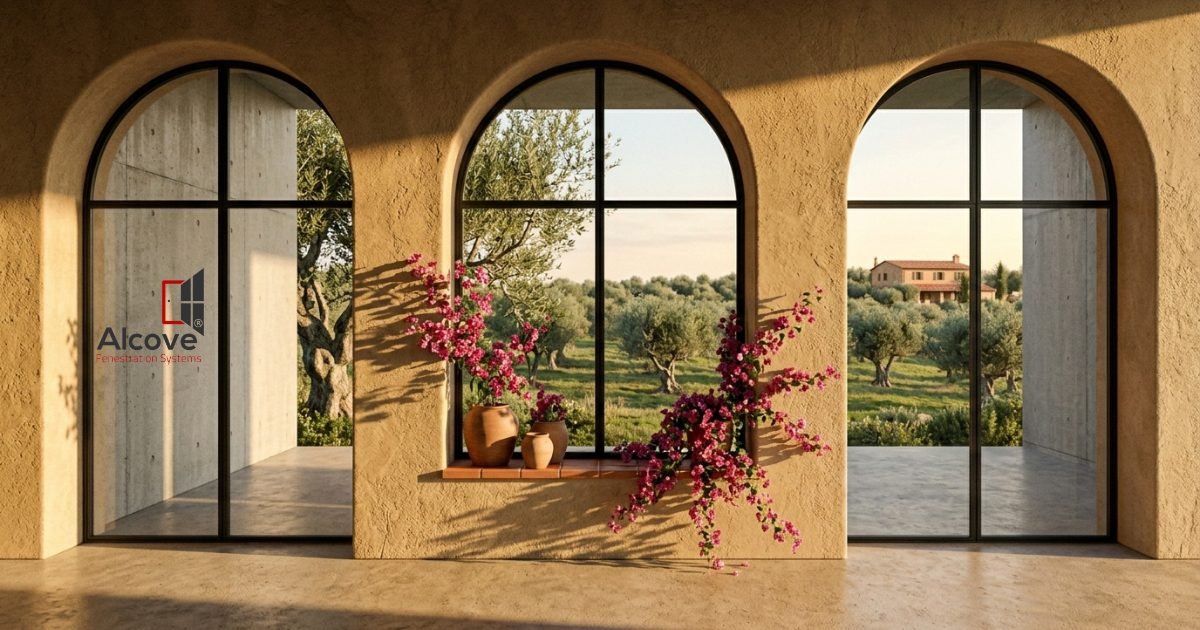
One of the most visually striking shifts in 2026 is the enthusiastic return of the arched window — reimagined not as a pastiche of classical architecture, but as a bold, sculptural element in contemporary home design. Architects are combining Roman-arch proportions with raw plaster walls, polished terrazzo floors, and modern steel casements to produce something that feels simultaneously ancient and ahead of its time.
Curved openings soften the hard geometry of modern facades and introduce a sense of biophilic warmth — forms that echo the natural world. Whether it’s a single grand arched window framing a staircase, or a series of smaller porthole-style openings along a corridor, this trend brings character and narrative to spaces that might otherwise feel overly clinical.
04. Slender Steel & Blackened Iron Window Frames
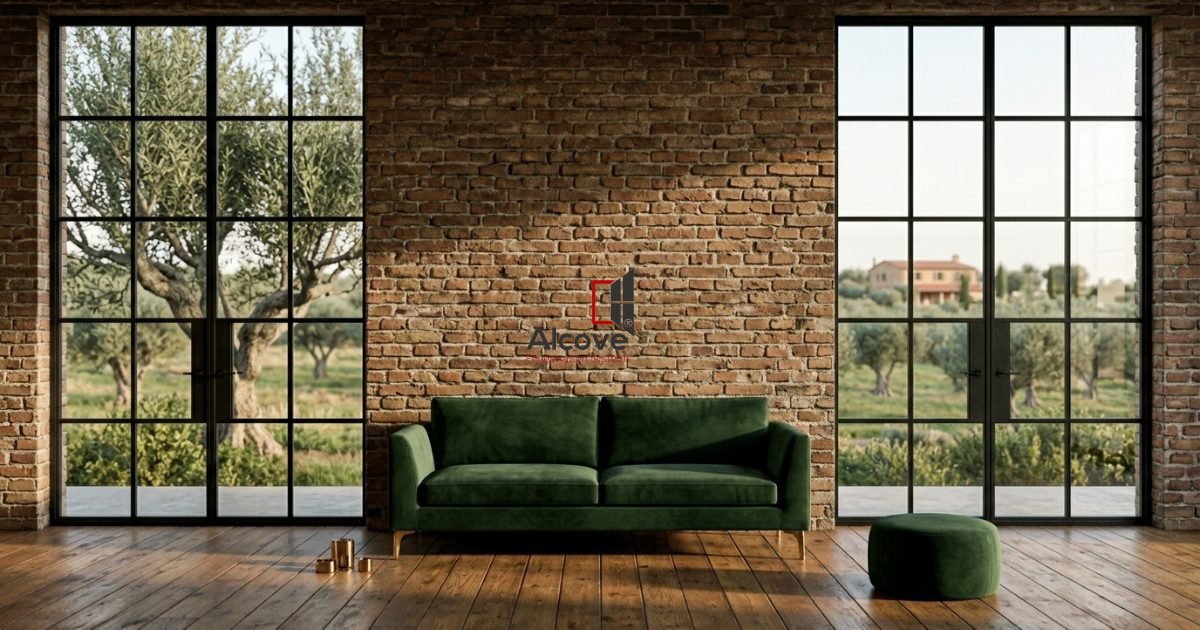
Matte black and blackened steel window frames have evolved from a passing interior trend into a fully established architectural language. In 2026, the emphasis is on profiles so slender they become almost invisible — their primary purpose being to maximise the glass area and minimise visual obstruction, while adding an industrial-chic sharpness to the facade.
Steel framing allows for thinner profiles than aluminium or uPVC, which means more glass and less frame. The result is a crisp, graphic quality — windows that look drawn with a fine pen against a white or light facade. This aesthetic works particularly well in converted warehouses, urban townhouses, and any home that pairs raw materials (exposed brick, polished concrete, reclaimed timber) with a refined minimalist interior philosophy.
✦ Design Tips
- Thermal-break steel frames are essential — standard steel conducts cold, causing condensation and heat loss.
- Pair blackened frames with warm interior materials (aged oak, linen, terracotta) to avoid a cold industrial feel.
- Crittall-style grid divisions are having a particularly strong moment in 2026 — they add historic character to modern builds.
05. Biophilic Window Nooks & Extended Sill Spaces
Biophilic design — architecture that strengthens the human connection to nature — continues to be a dominant force in 2026, and nowhere is it more beautifully expressed than in window design. The trend this year goes beyond simply placing windows near nature; it’s about designing the window itself as a liveable micro-environment.
Extended, deeply recessed window sills are being transformed into built-in reading nooks, plant shelves, and meditation perches. Bay-style projections push outward to create small glazed alcoves flooded with light from three sides. The window seat is back — but now it’s smarter, softer, and embedded into the very structure of the home. These nook spaces respond to a growing desire for quiet, light-filled retreats within the home — places to pause, read, and reconnect with the outdoors without ever leaving the building.
✦ Design Tips
- A minimum depth of 550mm is needed for a comfortable seated nook.
- Incorporate hidden drawer storage beneath the sill platform for a clean, clutter-free finish.
- East-facing nooks are ideal — morning light, no harsh afternoon glare.
06. Sustainable Timber & Reclaimed Wood Window Frames
As the architecture industry accelerates its push toward sustainability, certified timber and reclaimed wood window frames are emerging as the conscience-driven choice for 2026. Far from looking rustic or outdated, contemporary timber window joinery has reached a new level of precision and refinement — with slender profiles, clean geometry, and a tactile warmth that no synthetic material can replicate.
Larch, accoya-treated softwood, and reclaimed European oak are among the most sought-after materials this year. When finished in deep natural oils or left to silver gracefully over time, these frames develop a living patina that grows more beautiful with age — a quality entirely at odds with mass-produced PVC alternatives. For homes pursuing Passivhaus standards or BREEAM certification, high-performance timber frames with triple glazing are now a credible, elegant solution.
07. Oversized Picture Windows as Focal Architecture
In 2026, the picture window is being treated as a piece of living artwork. Rather than distributing windows evenly across a facade, architects and homeowners are opting for one or two dramatically oversized, fixed picture windows that command a room, framing a specific view with the deliberateness of hanging a painting on a wall.
A picture window facing a mountain, a meadow, a cityscape, or even a beautifully planted courtyard becomes a permanent, ever-changing mural. The interior design of the room is then composed to honour this view — furniture arranged to face it, lighting designed not to reflect in it, and the window’s proportions carefully calculated to balance the visual weight of the wall. When done well, the result is one of the most powerful and emotionally resonant things architecture can achieve.
Final Thoughts: Windows That Define a Home
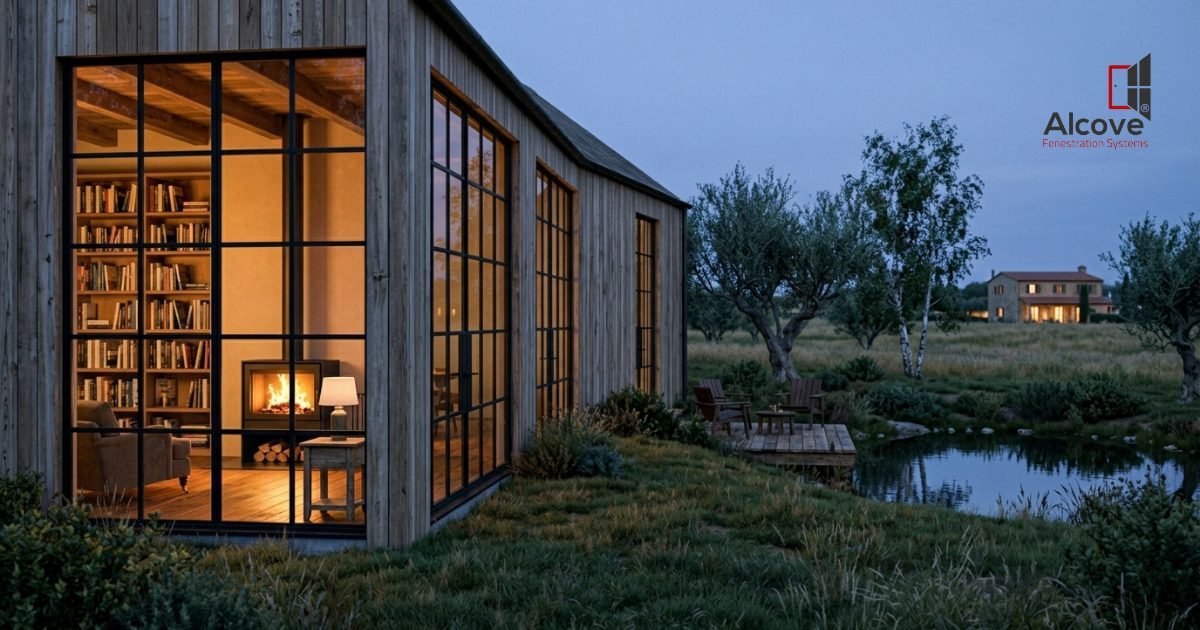
The window design trends of 2026 share a common thread: intentionality. Each trend, whether driven by sustainability, smart technology, or pure aesthetic ambition, reflects a desire to make windows mean something. They are no longer afterthoughts punched into a finished wall; they are the primary design gesture around which rooms, facades, and even lifestyles are built.
Whether you are drawn to the clean drama of frameless glass walls, the warmth of a timber-framed reading nook, or the quiet intelligence of dynamic glazing, there has never been a better moment to invest thoughtfully in how your home meets the light.
The best window is the one that makes you pause every time you walk past it. In 2026, that window is closer to reality than ever before.